Title: When should you consult an osteopath?
Osteopathy is a holistic approach to health that focuses on diagnosing, treating and preventing musculoskeletal problems and supporting the overall health of the whole body. Osteopaths use manual techniques to restore balance to the body, improve joint and soft tissue function, and support the body's natural self-healing processes. Consulting an osteopath can be helpful in many situations, from chronic pain to sports injuries. In this article, we will discuss when to consider seeing an osteopath, what are the symptoms and ailments that indicate the need for a consultation, and what benefits osteopathic therapy can provide.
1. Chronic pain
1.1 Spinal pain
Chronic pain in the spine, whether lumbar, thoracic or cervical, is one of the most common reasons patients see osteopaths. Spinal pain can result from muscle tension, disc disease, arthritis or mechanical trauma. Osteopathy offers a variety of techniques, such as joint manipulation, soft tissue techniques and cranio-sacral techniques, which can provide pain relief, improve spinal mobility and promote natural self-healing processes.
1.2 Joint pain
Chronic joint pain, such as pain in the knees, hips, shoulders or wrists, can be caused by injuries, strains, chronic diseases (such as rheumatoid arthritis) or arthritis. Osteopaths use joint manipulation, soft tissue and fascial techniques to reduce pain, improve joint function and promote healing.
2. Sports injuries
2.1 Sprains and dislocations
Sprains and dislocations are common sports injuries that can lead to pain, swelling and restricted movement. Osteopaths can help treat these injuries by using manual techniques such as HVLA (High Velocity Low Amplitude), joint mobilizations, massages and stretching techniques. Osteopathic therapy can speed up the healing process, improve joint mobility and reduce the risk of recurrence.
2.2 Muscle and tendon strains
Muscle and tendon strains are common injuries resulting from intense training, overloading or sudden movements. Osteopaths use soft tissue techniques such as massage, stretching, fascial techniques and kinesiotaping to relieve muscle tension, improve tissue flexibility and promote healing.
2.3 Strain injuries
Strain injuries, such as tendinitis (tendinopathy), plantar fasciitis or joint strain, can lead to chronic pain and movement limitations. Osteopaths use manual techniques to help reduce tissue tension, improve circulation and promote the body's natural healing processes.
3. Posture-related health problems
3.1 Improper posture
Improper posture, resulting from prolonged sitting at a desk, computer work or improper movement habits, can lead to muscle tension, spinal pain and other musculoskeletal complaints. Osteopaths can help correct posture by using manual techniques, strengthening exercises and educating the patient about proper posture and ergonomics.
3.2 Postural defects in children and adolescents
Postural defects in children and adolescents, such as scoliosis, lordosis or kyphosis, can lead to health problems in later life. Early osteopathic intervention can help correct postural defects, reduce muscle tension and improve balance and coordination. Osteopaths use gentle manual techniques that are appropriate for young patients.
4. Headaches and migraines
4.1 Tension headaches
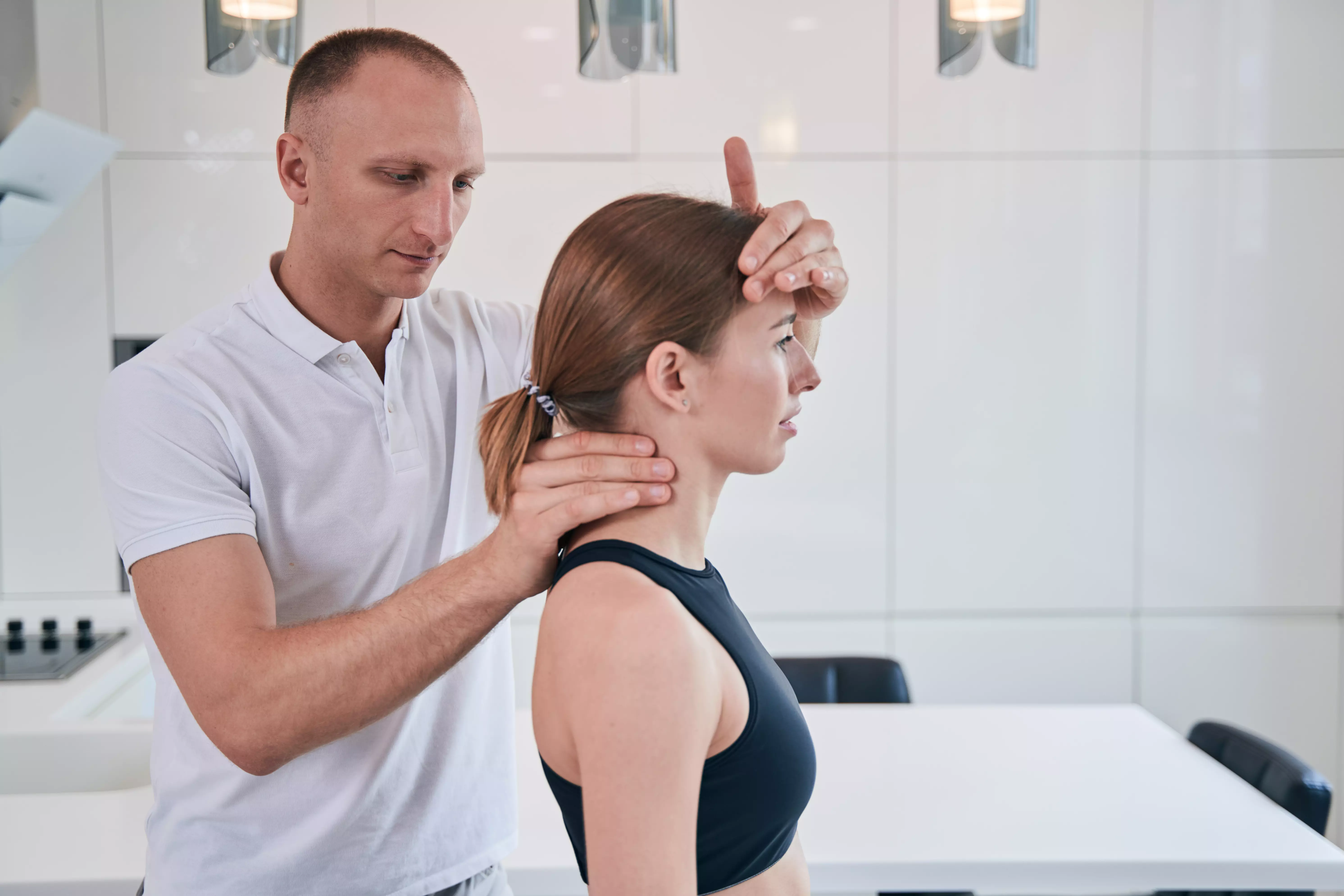
Tension headaches, resulting from muscle tension in the neck, shoulder and cranial areas, can be bothersome and affect daily functioning. Osteopaths use soft tissue techniques, craniosacral techniques and fascial techniques to relieve muscle tension, improve circulation and reduce pain.
4.2 Migraines
Migraines are a chronic condition characterized by recurrent episodes of severe headache, often accompanied by nausea, vomiting and hypersensitivity to light and sound. Osteopaths can help reduce the frequency and intensity of migraines by using craniosacral techniques, soft tissue techniques and fascial techniques.
5. Digestive problems
5.1 Irritable bowel syndrome (IBS)
Irritable bowel syndrome (IBS) is a chronic condition that affects bowel function, causing abdominal pain, bloating, diarrhea and constipation. Osteopaths use visceral techniques that focus on manipulating internal organs to improve their function and reduce IBS symptoms. Osteopathic therapy can help reduce abdominal pain, improve digestion and promote overall digestive health.
5.2 Gastroesophageal reflux disease (GERD)
Gastroesophageal reflux disease (GERD) is a condition that causes stomach acid to back up into the esophagus, leading to heartburn, chest pain and a burning sensation in the throat. Osteopaths can help treat GERD by using visceral techniques that improve esophageal and gastric function and reduce reflux symptoms.
5.3 Constipation
Constipation is a common digestive problem that can lead to discomfort, abdominal pain and other discomforts. Osteopaths use visceral and soft tissue techniques to improve bowel motility, increase blood and lymph flow, and relieve abdominal tension. Osteopathic therapy can help relieve constipation and improve digestive function.
6. Respiratory problems
6.1 Asthma
Asthma is a chronic respiratory condition characterized by recurrent episodes of shortness of breath, wheezing and coughing. Osteopaths can help treat asthma through the use of soft tissue techniques, fascial techniques and craniosacral techniques that improve chest mobility, support respiratory function and reduce asthma symptoms.
6.2 Chronic obstructive pulmonary disease (COPD)
Chronic obstructive pulmonary disease (COPD) is a condition that leads to chronic inflammation and narrowing of the airways, making breathing difficult. Osteopaths use soft tissue techniques, fascial techniques and craniosacral techniques to improve chest mobility, promote respiratory function and reduce COPD symptoms.
7. Pregnancy and obstetrical problems
7.1 Back and pelvic pain in pregnancy
Pregnancy can lead to pain in the spine, pelvis and sacroiliac joints due to strain, postural and hormonal changes. Osteopaths use gentle manual techniques that are safe for pregnant women to reduce pain, improve joint mobility and promote overall health.
7.2 Postpartum Rehabilitation
After childbirth, women may experience a variety of health problems, such as back pain, weakened pelvic floor muscles, scarring from cesarean sections and lactation problems. Osteopaths can help with postpartum rehabilitation by using soft tissue techniques, fascial techniques and visceral techniques to promote healing, improve muscle and joint function and support overall health.
8. Neurological problems
8.1 Stroke
A stroke can lead to severe brain damage and loss of motor function. Osteopaths can help with post-stroke rehabilitation by using neurorehabilitation techniques such as PNF (Proprioceptive Neuromuscular Facilitation), craniosacral techniques and soft tissue techniques. Osteopathic therapy can promote healing, improve coordination and balance, and speed up recovery to full function.
8.2 Multiple Sclerosis (MS)
Multiple sclerosis (MS) is a chronic autoimmune disorder that affects the nervous system, leading to a variety of symptoms such as muscle weakness, spasticity, balance and coordination problems. Osteopaths can help MS patients by using soft tissue, fascial techniques and neurorehabilitation techniques to reduce muscle tension, improve coordination and promote overall health.
9. When to avoid osteopathy?
9.1 Acute inflammatory conditions
Osteopathy may be inadvisable for conditions of acute inflammation, such as acute arthritis, acute infections or inflammation of internal organs. In such cases, it is advisable to consult a doctor first to assess the condition and determine the appropriate treatment.
9.2 Contraindications to manual manipulation
Certain health conditions may contraindicate manual manipulation, such as osteoporosis, cancer, spinal injuries or advanced heart disease. Osteopaths always conduct a thorough evaluation of a patient's condition before beginning therapy to rule out possible contraindications and ensure safe treatment.
9.3 High-risk pregnancy
Pregnant women with high-risk conditions, such as multiple pregnancies, placenta previa or risk of premature delivery, should first consult a doctor before starting osteopathic therapy. Osteopaths can use gentle manual techniques that are safe for pregnant women, but special care is needed in high-risk situations.
Summary
Osteopathy offers effective treatments for a variety of health complaints, from chronic pain to sports injuries, digestive problems or headaches. Consulting an osteopath can be helpful in many situations where traditional treatments fail to provide relief. Osteopaths take a holistic approach that considers the whole body and supports natural self-healing processes, offering patients personalized therapy tailored to their individual needs. Regular visits to an osteopath can help improve quality of life, reduce pain and promote overall health and well-being.
Add comment