 mlederer.it
Therapeutic massage: different types and their applications
Therapeutic massage is one of the oldest and most effective forms of manual therapy, which uses a variety of manual techniques to improve health, reduce pain and promote natural healing processes. Therapeutic massages can provide numerous physical, emotional and psychological benefits, improving the functioning of the musculoskeletal, circulatory, lymphatic and nervous systems. In this article, we will discuss the different types of therapeutic massage and their applications, explaining how they can support patients' health and well-being.
1. What is therapeutic massage?
1.1 Definition
Therapeutic massage is a therapeutic form of massage that focuses on treating specific conditions, painful conditions and promoting the overall health and well-being of the patient. Therapeutic massage uses a variety of manual techniques, such as kneading, compression, rubbing, applanation and vibration, to affect muscles, fascia, joints and other body structures.
1.2 History of therapeutic massage
Therapeutic massage has a long history dating back to ancient civilizations. Massage practices were used in ancient India, China, Egypt, Greece and Rome as forms of treatment for various ailments. Modern therapeutic massage techniques have evolved over the centuries, combining traditional methods with modern scientific research and therapeutic approaches.
2. Types of therapeutic massage
2.1 Classical (Swedish) massage
2.1.1 Description
Classical massage, also known as Swedish massage, is one of the most popular types of therapeutic massage. Techniques used in classical massage include stroking, kneading, rubbing, patting and vibration. This massage focuses on improving circulation, reducing muscle tension and promoting overall relaxation.
2.1.2 Applications
- Relaxation: Classical massage is effective in reducing stress and tension, promoting overall relaxation and well-being.
- Improving circulation: Classical massage techniques help improve blood and lymph circulation, supporting cardiovascular health.
- Pain reduction: Classical massage can help reduce muscle and joint pain resulting from tension, strain or injury.
- Improving flexibility: Classical massage can improve muscle flexibility and range of motion in joints.
2.2 Deep massage
2.2.1 Description
Deep massage focuses on the deeper layers of muscles and connective tissues. Techniques used in deep massage include slow, deep strokes and compressions to relax deep muscle tensions.
2.2.2 Applications
- Long-term muscle tension: Deep massage is effective in treating chronic muscle tension resulting from overload, stress or poor posture.
- Rehabilitation after injury: Deep massage can promote healing after injuries such as sprains, dislocations or muscle strains.
- Scar and adhesion reduction: Deep massage can help reduce scarring and adhesions, improving tissue elasticity and joint mobility.
- Reduction of chronic pain: Deep massage can provide relief for patients suffering from chronic musculoskeletal pain.
2.3 Sports massage
2.3.1 Description
Sports massage is a specialized form of massage that focuses on the needs of athletes and physically active people. Techniques used in sports massage include deep pressure, stretching and fascial techniques to improve performance, prevent injury and promote recovery from intense exercise.
2.3.2 Applications
- Preparing for Training: Sports massage can help prepare muscles and joints for intense exercise, improving flexibility and range of motion.
- Post-exercise recovery: Sports massage can promote muscle and tissue recovery after intense training or competition, reducing soreness and speeding up the healing process.
- Injury prevention: Sports massage can help prevent injuries by reducing muscle tension, improving tissue flexibility and promoting muscle and joint health.
- Treating sports injuries: Sports massage can support the treatment of sports injuries such as sprains, strains, muscle and tendon pulls.
2.4 Lymphatic massage (lymphatic drainage)
2.4.1 Description
Lymphatic massage, also known as lymphatic drainage, focuses on improving lymph flow in the lymphatic system. Techniques used in lymphatic massage include gentle, rhythmic movements to promote the removal of toxins and excess fluid from the body.
2.4.2 Applications
- Oedema Reduction: Lymphatic massage is effective in reducing swelling resulting from fluid retention, injury or surgery.
- Detoxification Support: Lymphatic massage can support the body's natural detoxification processes, improving lymph flow and toxin removal.
- Supporting the immune system: Lymphatic massage can support the functioning of the immune system, improving lymph flow and supporting the body's health.
- Reducing cellulite: Lymphatic massage can help reduce cellulite by improving circulation and removing excess fluid from tissues.
2.5 Shiatsu massage
2.5.1 Description
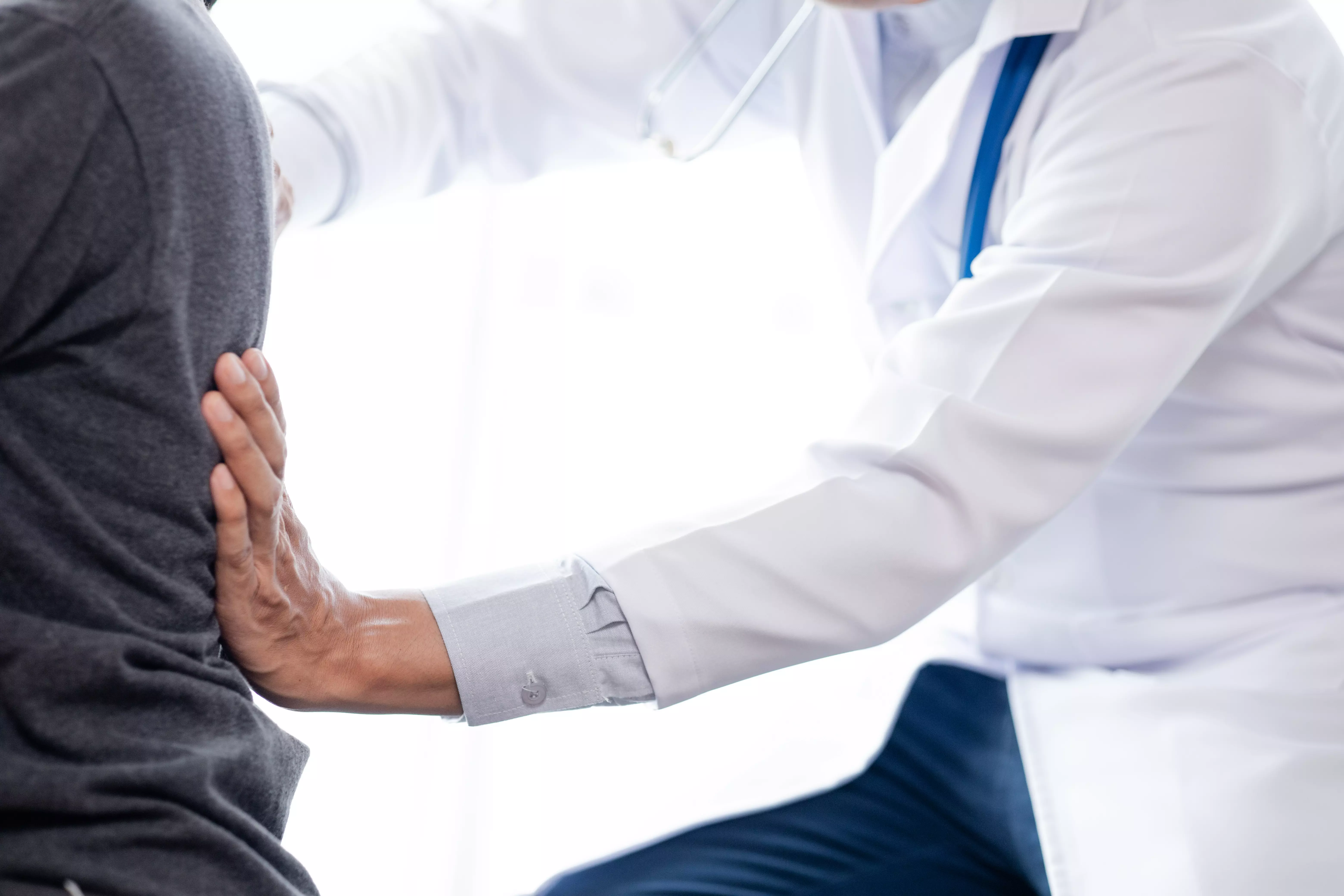
Shiatsu massage is a traditional Japanese massage technique that is based on the principles of Chinese medicine. Techniques used in shiatsu massage include compression, stretching and acupressure techniques to restore energy balance in the body and promote health and well-being.
2.5.2 Applications
- Stress Reduction: Shiatsu massage can help reduce stress and tension, promoting overall relaxation and well-being.
- Improving circulation: Shiatsu massage techniques can improve blood and lymph circulation, supporting cardiovascular health.
- Promoting Energy Health: Shiatsu massage is based on Chinese medicine principles that focus on restoring energy balance in the body.
- Treating headaches: Shiatsu massage can bring relief to patients suffering from headaches and migraines.
2.6 Therapeutic point massage (acupressure)
2.6.1 Description
Therapeutic point massage, also known as acupressure, is based on the principles of Chinese medicine and focuses on stimulating acupressure points on the body. Techniques used in acupressure include pressure, massage and noctural techniques to restore energy balance and promote health and well-being.
2.6.2 Applications
- Pain Relief: Acupressure can provide relief to patients suffering from musculoskeletal pain, headaches, migraines and other painful conditions.
- Stress Reduction: Acupressure can help reduce stress and tension, promoting overall relaxation and well-being.
- Improving circulation: Acupressure techniques can improve blood and lymph circulation, supporting cardiovascular health.
- Promoting Energy Health: Acupressure is based on Chinese medicine principles that focus on restoring energy balance in the body.
2.7 Ayurvedic massage
2.7.1 Description
Ayurvedic massage is a traditional form of massage that originated in India and is based on the principles of Ayurveda, an ancient system of Indian medicine. Techniques used in Ayurvedic massage include stroking, rubbing, kneading and the use of essential oils to restore harmony and balance to the body.
2.7.2 Applications
- Relaxation: Ayurvedic massage is effective in reducing stress and tension, promoting overall relaxation and well-being.
- Detoxification: Ayurvedic massage can support the body's natural detoxification processes, improving circulation and removing toxins.
- Improving Flexibility: Ayurvedic massage can improve muscle flexibility and joint range of motion.
- Promoting energy health: Ayurvedic massage is based on the principles of Ayurveda, which focus on restoring harmony and balance in the body.
2.8 Aromatherapy massage
2.8.1 Description
Aromatherapy massage combines massage techniques using essential oils to promote physical, emotional and mental health. Techniques used in aromatherapy massage include stroking, rubbing, kneading and inhaling essential oils.
2.8.2 Applications
- Stress Reduction: Aromatherapy massage can help reduce stress and tension, promoting overall relaxation and well-being.
- Mood Enhancement: Essential oils used in aromatherapy massage can support improved mood and mental health.
- Pain relief: Aromatherapy massage can help reduce muscle and joint pain, supporting musculoskeletal health.
- Sleep Improvement: Aromatherapy massage can support healthy sleep, reducing insomnia and improving sleep quality.
3. Benefits of therapeutic massage
3.1 Reducing pain
One of the main goals of therapeutic massage is to reduce pain. Massage techniques can bring relief to patients suffering from musculoskeletal pain, joint pain, headaches, migraines and other painful conditions. Therapeutic massage can help reduce both acute and chronic pain.
3.2 Improving circulation
Therapeutic massage can improve blood and lymph circulation, supporting the health of the circulatory system. Improved circulation can help speed tissue healing, reduce swelling and improve a patient's overall health.
3.3 Reducing muscle tension
Muscle tensions can lead to pain, discomfort and restricted movement. Therapeutic massage can help reduce muscle tension, improve muscle flexibility and reduce pain. Therapeutic massage can bring relief to patients suffering from chronic muscle tensions and related ailments.
3.4 Promoting natural healing processes
Therapeutic massage promotes the body's natural healing processes by improving circulation, reducing muscle tension and restoring balance to the body. Massage techniques can help restore full function to the musculoskeletal system and support the body's ability to heal itself.
3.5 Increasing tissue flexibility and strength
Therapeutic massage can improve tissue elasticity and strength, which is key to maintaining full musculoskeletal functionality. Improving tissue elasticity can help prevent injuries and promote patients' health and fitness.
3.6 Improving nervous system function
Therapeutic massage can help improve nervous system function by reducing tension in the spine, skull and muscles. Improving nervous system function can help reduce pain, improve coordination and balance, and support a patient's overall health.
3.7 Reducing stress and improving well-being
Therapeutic massage can help reduce stress and improve patients' well-being by relaxing muscles, reducing tension and improving circulation. Therapeutic massage can support patients' mental health by helping them cope with stress and improve their quality of life.
4. Examples of therapeutic massage applications
4.1 Treatment of spinal pain
Therapeutic massage is effective in treating spinal pain, whether lumbar, thoracic or cervical. Massage techniques such as classical massage, deep massage and sports massage can help reduce pain, improve spinal mobility and promote the body's natural healing processes.
4.2 Treatment of joint pain
Therapeutic massage can provide relief to patients suffering from joint pain, such as knee, hip, shoulder or wrist pain. Massage techniques such as deep massage, sports massage and classical massage can help improve joint mobility, reduce pain and promote healing.
4.3 Treating headaches and migraines
Therapeutic massage can be effective in treating headaches and migraines. Massage techniques such as classical massage, shiatsu massage and therapeutic point massage can help reduce tension in the skull, neck and shoulders and improve circulation, which can help reduce the frequency and intensity of headaches and migraines.
- Classical (Swedish) massage: Stroking and kneading techniques can help relax muscles and reduce tension, which is often the cause of headaches.
- Shiatsu massage: The compression and stretching techniques used in shiatsu massage can help restore energy balance and reduce tension in the head and neck area.
- Healing point massage (acupressure): Stimulation of specific acupressure points can provide relief from headaches and migraines.
4.4 Treatment of sports injuries
Therapeutic massage is often used to treat sports injuries such as sprains, dislocations, muscle and tendon strains. Massage techniques such as sports massage, deep massage and lymphatic massage can promote healing, reduce pain and swelling, and improve the function of damaged structures.
- Sports Massage: Deep compression and stretching techniques can help recover muscles and tissues after intense exercise.
- Deep massage: Deep massage techniques can promote healing after sports injuries, reducing pain and muscle tension.
- Lymphatic massage: The gentle, rhythmic movements used in lymphatic massage can help reduce swelling and promote detoxification of the body after injury.
4.5 Treating inflammation
Therapeutic massage can be effective in treating inflammatory conditions such as tendonitis, arthritis and chronic muscle inflammation. Massage techniques can help reduce inflammation, reduce pain and promote healing.
- Deep Massage: Deep massage techniques can help reduce inflammation and improve tissue elasticity.
- Lymphatic massage: Gentle lymphatic massage techniques can promote the removal of toxins and excess fluid from inflamed tissues, helping to reduce inflammation.
- Classical massage: Classical massage techniques can improve circulation and promote natural healing processes, reducing inflammation.
4.6 Rehabilitation after surgery
Therapeutic massage plays a key role in rehabilitation after surgeries such as joint replacement, ligament reconstruction and spinal surgery. Massage techniques can promote healing processes, reduce pain and swelling, and improve mobility and function of the operated structures.
- Lymphatic Massage: Lymphatic drainage techniques can help reduce swelling and promote detoxification of the body after surgery.
- Deep Massage: Deep massage techniques can promote healing of scars and adhesions, improving tissue elasticity and joint mobility.
- Classical massage: Classical massage techniques can support recovery and pain reduction processes after surgery.
4.7 Treatment of chronic pain
Therapeutic massage can be effective in treating chronic pain conditions such as fibromyalgia, myofascial pain syndrome and chronic back pain. Massage techniques can help reduce pain, improve musculoskeletal function and promote patients' overall health and well-being.
- Deep Massage: Deep massage techniques can help reduce chronic musculoskeletal pain resulting from tension and overload.
- Classical massage* Classical massage techniques can promote relaxation and reduce chronic pain, improving a patient's overall health.
- Healing point massage (acupressure): Stimulation of acupressure points can provide relief from chronic pain.
Summary
Therapeutic massage offers a wide range of therapeutic techniques that can effectively help treat a variety of conditions and pain conditions. Types of therapeutic massage, such as classical massage, deep tissue massage, sports massage, lymphatic massage, shiatsu massage, therapeutic point massage, ayurvedic massage and aromatherapy massage, can promote patients' health and well-being by reducing pain, improving circulation, reducing muscle tension, promoting natural healing processes, increasing tissue flexibility and strength, improving nervous system function, and reducing stress and improving mood.
Therapeutic massage can be used to treat back pain, joint pain, headaches and migraines, sports injuries, inflammation, rehabilitation after surgery and chronic pain. With an individualized approach to each patient and a variety of therapeutic techniques, therapeutic massage can provide numerous health benefits and improve patients' quality of life.
Comments
Search
Add comment