 mlederer.it
Relaxation techniques and their impact on health
Relaxation techniques are a variety of methods used to reduce stress, improve well-being, and promote physical and mental health. Stress is one of the biggest challenges of modern life and can lead to many health problems, such as hypertension, heart disease, anxiety disorders, depression and many others. Therefore, relaxation techniques play a key role in maintaining health and well-being. In this article, we will discuss various relaxation techniques, their effects on health, and how they can be incorporated into daily life.
1. What are relaxation techniques?
1.1 Definition
Relaxation techniques are a variety of methods and exercises designed to reduce stress, improve well-being and promote physical and mental health. These techniques can include breathing, movement, mindfulness and meditation elements that help relax the body and mind.
1.2 History of relaxation techniques
Relaxation techniques have a long history, dating back to ancient civilizations. Meditative, yogic and breathing practices were used in ancient India, China and Greece to improve health and well-being. Modern relaxation techniques have evolved over the centuries, combining traditional methods with modern scientific research and therapeutic approaches.
2. Different relaxation techniques
2.1 Meditation
2.1.1 Description
Meditation is a mental practice that involves focusing attention on a specific object, thought, feeling or breath to achieve a state of deep relaxation and awareness.
2.1.2 Types of meditation
- Transcendental Meditation: A meditation technique that uses mantras to achieve a state of deep relaxation and awareness.
- Mindfulness meditation: The practice of consciously focusing attention on the present moment without judging thoughts and feelings.
- Guided meditation: A guided meditation that directs the participant through various stages of relaxation and focused concentration.
2.1.3 Health Effects
Meditation can provide numerous health benefits, such as:
- Stress Reduction: Meditation can help reduce levels of cortisol, the stress hormone, which can lead to reduced stress and tension.
- Mental health improvement: Meditation can support the treatment of anxiety disorders, depression and mood disorders.
- Improving concentration and attention: Mindfulness meditation can improve the ability to concentrate, pay attention and work mentally.
- Physical health support: Meditation can help lower blood pressure, improve immune system function and reduce chronic pain.
2.2 Yoga
2.2.1 Description
Yoga is a system of physical, breathing and meditative exercises designed to balance body, mind and spirit. Yoga combines the techniques of asanas (body postures), pranayama (breathing exercises) and meditation.
2.2.2 Types of yoga
- Hatha yoga: A traditional form of yoga that emphasizes asanas and breathing techniques.
- Vinyasa yoga: A dynamic form of yoga that combines movement and breath into flowing sequences.
- Kundalini yoga: Yoga focused on activating kundalini energy through asanas, pranayama, mantras and meditation.
- Yin yoga: A yoga practice that emphasizes prolonged stretching and relaxation.
2.2.3 Health Effects
Yoga can provide numerous health benefits, such as:
- Improving muscle flexibility and strength: Regular yoga practice can improve muscle flexibility, increase joint range of motion and strengthen muscles.
- Stress reduction: Yoga can help reduce stress, improve mood and increase relaxation.
- Improving mental health: Yoga can support the treatment of anxiety disorders, depression and mood disorders.
- Physical health support: Yoga can help lower blood pressure, improve cardiovascular, respiratory and digestive functions.
2.3 Breathing techniques
2.3.1 Description
Breathing techniques are a variety of breathing exercises to control and regulate breathing to achieve a state of relaxation and improve health.
2.3.2 Types of breathing techniques
- Diaphragmatic Breathing: A breathing technique in which the breath is directed to the diaphragm, leading to deep and full breathing.
- 4-7-8 breathing: A technique that involves inhaling for 4 seconds, holding the breath for 7 seconds and exhaling for 8 seconds.
- Ujjayi breathing (winner's breath): A yoga technique in which the breath is lengthened and controlled, with a slight sound produced in the throat.
2.3.3 Health Effects
Breathing techniques can provide numerous health benefits, such as:
- Stress Reduction: Breathing techniques can help reduce levels of cortisol, the stress hormone, which can lead to reduced stress and tension.
- Mental health improvement: Breathing techniques can support the treatment of anxiety disorders, depression and mood disorders.
- Promoting physical health: Breathing techniques can improve respiratory, cardiovascular and nervous system function.
- Improving concentration and attention: Breathing techniques can improve the ability to concentrate, pay attention and work mentally.
2.4 Progressive muscle relaxation
2.4.1 Description
Progressive muscle relaxation is a relaxation technique that involves alternately tensing and relaxing different muscle groups to achieve a state of deep relaxation.
2.4.2 Technique
- Muscle Tensing: Tense a specific muscle group for 5-10 seconds, then relax it for 15-20 seconds. Repeat for different muscle groups, starting from the feet and moving toward the top of the body.
2.4.3 Health effects
Progressive muscle relaxation can bring numerous health benefits, such as:
- Stress Reduction: Progressive muscle relaxation can help reduce muscle tension, leading to reduced stress and improved well-being.
- Mental health improvement: This technique can support the treatment of anxiety disorders, depression and mood disorders.
- Pain reduction: Progressive muscle relaxation can help reduce muscle and joint pain.
- Sleep improvement: This technique can improve sleep quality, which is key to overall health and recovery.
2.5 Aromatherapy
2.5.1 Description
Aromatherapy is a relaxation technique that uses natural essential oils to improve physical and mental health.
2.5.2 Methods of application
- Inhalation: Breathing in the scent of essential oils through an inhaler, diffuser, hot water bowl or handkerchief soaked in oil.
- Massage: The use of essential oils in body massage, which allows the substances to be absorbed by the skin.
- Baths: Adding essential oils to baths, allowing the senses to be affected simultaneously through inhalation and skin-to-water contact.
2.5.3 Health effects
Aromatherapy can provide numerous health benefits, such as:
- Stress Reduction: Aromatherapy can help reduce stress and tension, improving mood and relaxation.
- Improving mental health: Aromatherapy can support the treatment of anxiety disorders, depression and mood disorders.
- Promoting physical health: Certain essential oils have anti-inflammatory, antibacterial and analgesic properties that can support physical health.
- Improving sleep: Aromatherapy can support the treatment of insomnia and improve sleep quality.
2.6 Tai Chi
2.6.1 Description
Tai Chi is a traditional Chinese martial art that focuses on fluid, slow movements, breathing techniques and meditation to improve physical and mental health.
2.6.2 Technique
Tai Chi consists of a series of fluid movements that are performed slowly and with precision. These exercises are often performed in groups outdoors and combine movement, breathing and meditation elements.
2.6.3 Health Effects
Tai Chi can provide numerous health benefits, such as:
- Improving balance and coordination: Tai Chi can improve balance, coordination and motor skills.
- Stress reduction: Tai Chi can help reduce stress and tension, improving mood and relaxation.
- Promoting physical health: Tai Chi can improve flexibility, muscle strength and cardiovascular function.
- Improving mental healt: Tai Chi can support the treatment of anxiety disorders, depression and mood disorders.
3. How to incorporate relaxation techniques into daily life?
3.1 Choosing the right relaxation technique
Choosing the right relaxation technique depends on individual preferences, lifestyle and health needs. Before starting your practice, it is worth considering what goals you want to achieve and which techniques best suit your needs.
3.2 Regularity of practice
The key to the effectiveness of relaxation techniques is regularity of practice. Try to incorporate relaxation techniques into your daily life, even if it's just a few minutes a day.
- Set a schedule: Plan regular relaxation sessions at fixed times of the day to introduce them as a habit.
- Find a quiet place: Choose a quiet place where you can practice relaxation techniques without distractions.
3.3 Combining relaxation techniques
Combining different relaxation techniques can bring greater health benefits. For example, you can combine meditation with breathing techniques or yoga with progressive muscle relaxation.
3.4 Monitoring progress
Monitoring your progress and the effects of your practice can help you evaluate the effectiveness of your relaxation techniques and motivate you to continue your practice. Keeping a relaxation journal in which you record your experiences and effects can be helpful.
4. Learning relaxation techniques
4.1 Courses and workshops
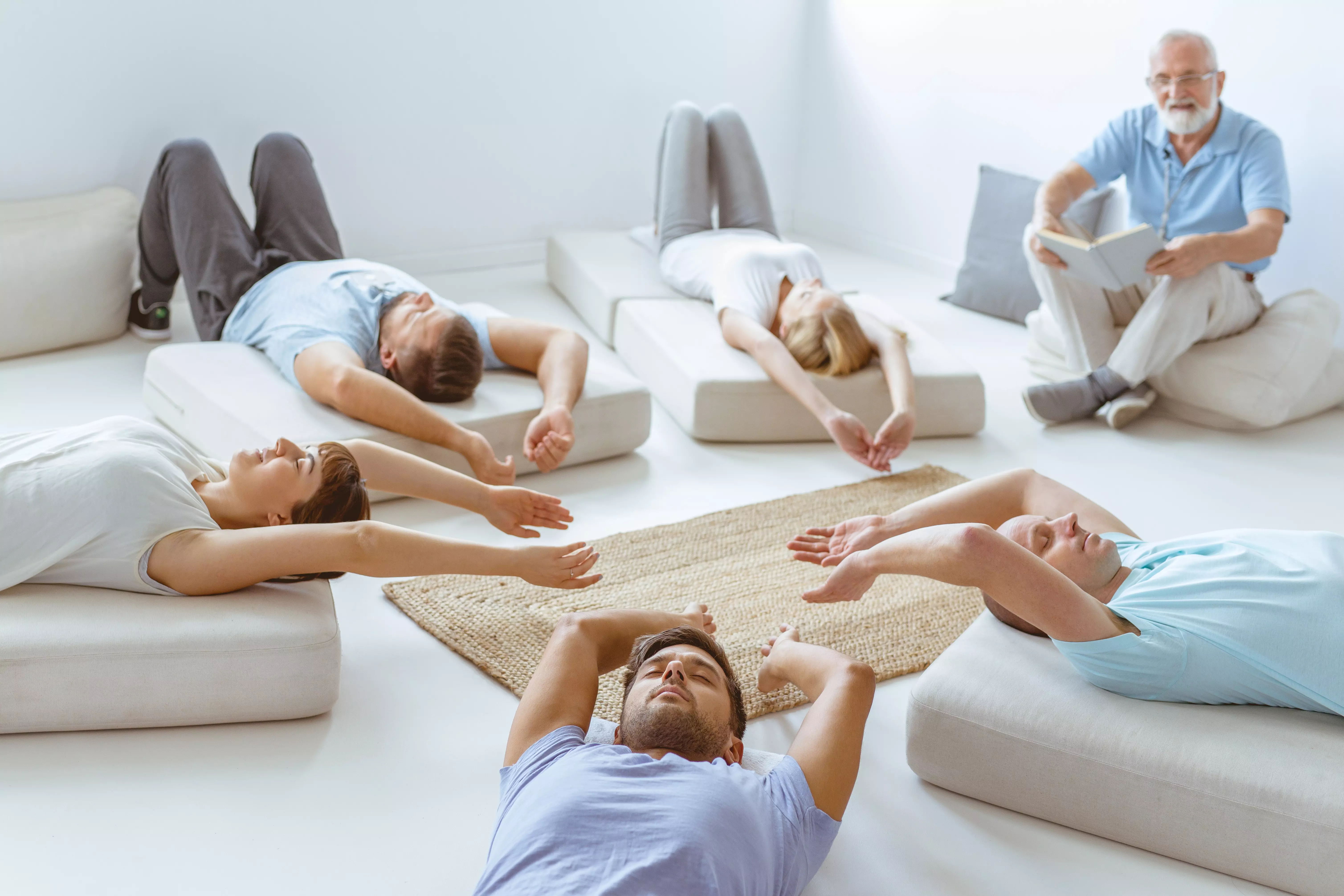
Attending courses and workshops taught by qualified instructors can help you learn relaxation techniques and provide support during your practice. These courses can include meditation, yoga, breathing techniques, Tai Chi and other forms of relaxation.
4.2 Books and online resources
There are many books, articles and online resources that offer information and instruction on various relaxation techniques. It is worthwhile to use these materials to enhance your knowledge and skills.
4.3 Mobile apps
Today's technologies offer many mobile apps that can support the practice of relaxation techniques. These apps can include meditation guides, breathing exercises, yoga sessions and other relaxation techniques.
5. Examples of how relaxation techniques can be applied in daily life
5.1 Relaxation breaks at work
Introducing short relaxation breaks at work can help reduce stress and improve concentration. Breathing techniques, progressive muscle relaxation or a short mindfulness meditation can be used.
5.2 Relaxation before bedtime
Relaxation techniques before bed can help improve sleep quality and reduce insomnia. You can use meditation, yoga or aromatherapy with essential oils such as lavender to promote relaxation and sleep.
5.3 Relaxation at leisure
Using leisure time to practice relaxation techniques can help reduce stress and improve mood. You can participate in yoga sessions, Tai Chi, meditation or relaxing walks outdoors.
Summary
Relaxation techniques play a key role in reducing stress, improving well-being and supporting physical and mental health. A variety of methods, such as meditation, yoga, breathing techniques, progressive muscle relaxation, aromatherapy and Tai Chi, offer a wide range of health benefits.
Incorporating relaxation techniques into daily life can provide numerous benefits, such as reducing stress, improving mental health, supporting physical health and improving sleep quality. Regular practice, combining different techniques and monitoring progress can increase the effectiveness of relaxation.
Learning relaxation techniques can be supported by courses, workshops, books, online resources and mobile apps. Examples of how relaxation techniques can be applied to daily life, such as relaxation breaks at work, relaxation before bed, or relaxation during leisure time, can help maintain health and well-being.
Relaxation techniques are an investment in health and quality of life that can bring long-term benefits to the body, mind and spirit.
Comments
Search
Add comment