 mlederer.it
Rehabilitation exercises: how to perform them correctly?
Rehabilitation exercises are a key element in the recovery process after injuries, surgeries and in the treatment of chronic conditions. Proper performance of rehabilitation exercises is essential to achieve the intended therapeutic goals, such as improving muscle strength, increasing flexibility, restoring full function and reducing pain. In this article, we will discuss how to properly perform rehabilitation exercises, the most important principles and the benefits of regular rehabilitation.
1. The importance of rehabilitation exercises
1.1 Definition
Rehabilitation exercises are specially designed sets of exercises designed to restore full body function after injury, surgery, chronic disease and in the treatment of a variety of musculoskeletal conditions. These exercises are tailored to the individual patient's needs and may include strengthening, stretching, balance and coordination exercises.
1.2 Goals of rehabilitation exercises
The main goals of rehabilitation exercises include:
- Improving muscle strength: Strengthening muscles to restore full function.
- Increase flexibility: Improving joint range of motion and muscle flexibility.
- Pain reduction: Reducing pain by improving muscle and joint function.
- Improving balance and coordination: Strengthening the ability to maintain balance and coordination of movement.
- Recurrence prevention: Preventing future injuries and recurrence of conditions by improving overall physical fitness.
2. Preparing for rehabilitation exercises
2.1 Consultation with a professional
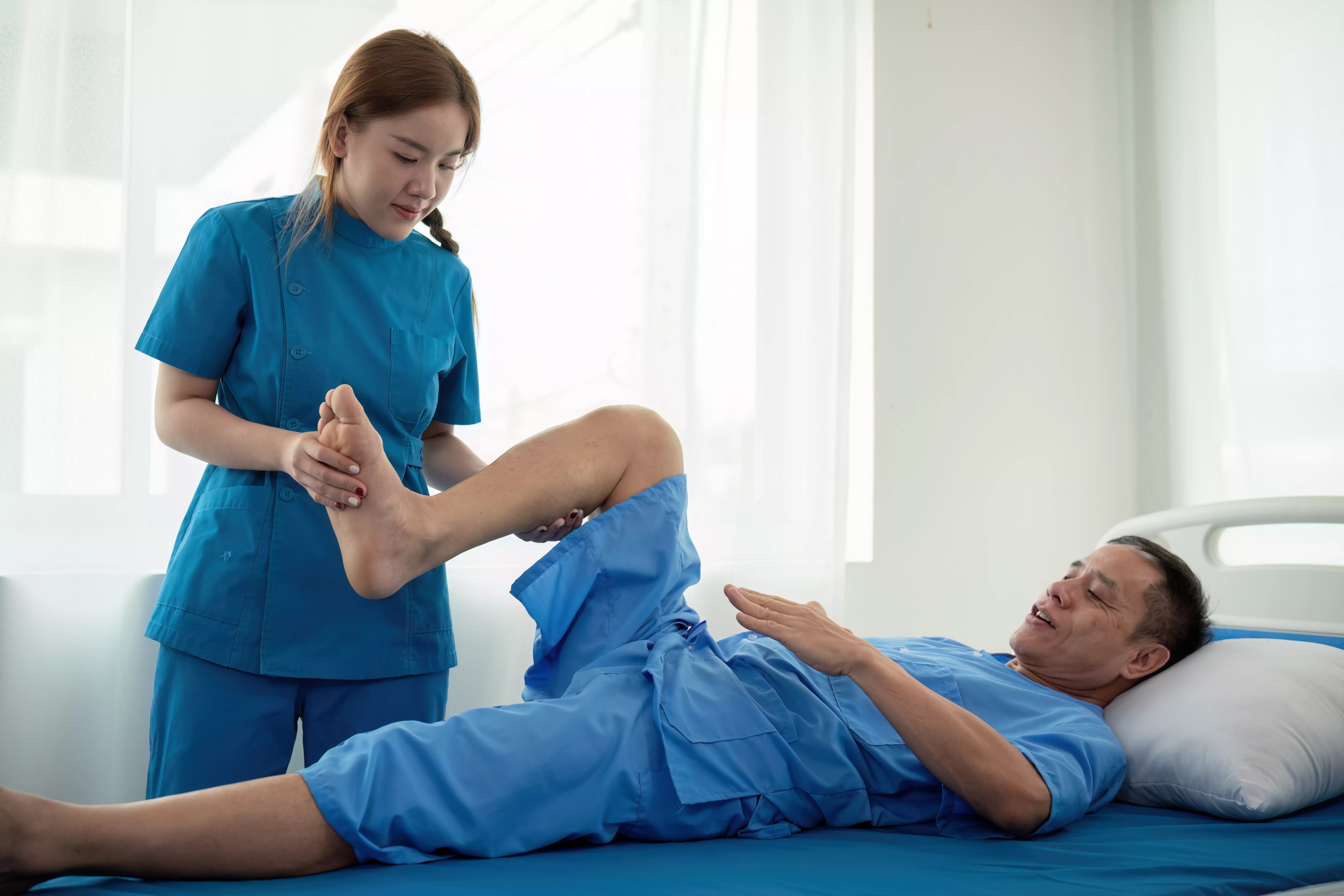
Before starting a rehabilitation exercise program, it is important to consult a doctor, physiotherapist or other rehabilitation specialist. The specialist will conduct a thorough assessment of the patient's condition, identify specific needs and develop an individualized rehabilitation plan.
2.2 Establish rehabilitation goals
Together with the therapist, the patient should establish rehabilitation goals that are tailored to his or her individual needs and abilities. These goals may include improving muscle strength, increasing range of motion, reducing pain, improving balance and coordination, and other specific therapeutic goals.
2.3 Preparing a suitable site
Rehabilitation exercises should be performed in a suitable place that provides a safe and comfortable environment for exercise. The place should be well lit, have sufficient space, and have access to the necessary rehabilitation equipment, such as mats, gym balls, dumbbells or resistance bands.
2.4 Clothing and footwear
When performing rehabilitation exercises, it is important to wear appropriate clothing and footwear. Clothing should be comfortable, flexible and non-restrictive. Footwear should provide adequate foot support and stability when performing exercises.
3. Principles of proper performance of rehabilitation exercises
3.1 Proper technique
The technique of performing rehabilitation exercises is crucial to achieving the intended therapeutic goals and avoiding injury. The patient should carefully follow the therapist's instructions on exercise technique, paying attention to correct posture, range of motion and exercise speed.
3.2 Initially slow pace
Initially, rehabilitation exercises should be performed at a slow pace so that the patient can concentrate on correct technique and avoid overloading. Gradually increasing the pace of exercise and intensity can occur as the patient's physical condition improves.
3.3 Regularity and consistency
Regularity and consistency are key to the effectiveness of rehabilitation exercises. The patient should follow the therapist's recommended exercise plan, performing exercises regularly according to a set schedule. By performing the exercises on a regular basis, musculoskeletal function can gradually improve and the therapeutic goals can be achieved.
3.4 Gradual increase in intensity
Rehabilitation exercises should be gradually increased in intensity and load to avoid overload and injury. The therapist will assist the patient in adjusting the exercise program accordingly, taking into account the progress and response of the body to rehabilitation.
3.5 Listening to your own body
When performing rehabilitation exercises, it is important to listen to your own body and respond to the signals it may be sending. Pain, discomfort or excessive fatigue can be signals that exercises are being performed incorrectly or too intensely. If this is the case, the patient should consult with his or her therapist and adjust the exercise program.
4. Types of rehabilitation exercises
4.1 Strengthening exercises
Strengthening exercises are designed to improve muscle strength and muscle endurance. Examples of strengthening exercises include:
- Squats: Exercises to strengthen the muscles of the legs, buttocks and back.
- Arm bends with dumbbells: Exercises to strengthen arm and shoulder muscles.
- Pull-ups on a bar: Exercises to strengthen back, shoulder and abdominal muscles.
- Plank (plank): Exercises to strengthen abdominal muscles, back muscles and deep stabilizing muscles.
4.2 Stretching exercises
Stretching exercises are designed to improve muscle flexibility and increase joint range of motion. Examples of stretching exercises include:
- Stretching the quadriceps muscles of the thigh: Stretching exercises for the front of the thigh.
- Stretching the biceps muscle of the thigh: Stretching exercises for the back of the thigh.
- Back muscle stretching: Stretching exercises for the back muscles and spine.
- Stretching chest muscles: Exercises to stretch the chest and shoulder muscles.
4.3 Exercises to improve balance and coordination
Exercises to improve balance and coordination are important for preventing falls and improving the ability to perform daily activities. Examples of exercises to improve balance and coordination include:
- Standing on one leg: Exercises to improve balance and strengthen leg muscles.
- Line Walking: Exercises to improve motor coordination and balance.
- Exercises with a gymnastics ball: Exercises to strengthen deep muscles and improve balance.
- Exercises on a flat surface: Exercises on an unstable surface, such as a balance beam, to improve coordination and balance.
4.4 Breathing exercises
Breathing exercises are designed to improve breathing capacity and promote relaxation and stress reduction. Examples of breathing exercises include:
- Deep Breathing: Exercises involving deep inhalation through the nose and exhalation through the mouth.
- Diaphragmatic breathing: Exercises involving focusing on the movement of the diaphragm while breathing.
- Rhythmic breathing: Exercises involving coordinated breathing in a specific rhythm.
4.5 Aerobic exercises
Aerobic exercises are designed to improve cardiorespiratory fitness and promote overall physical fitness. Examples of aerobic exercises include:
- Walking: Low-intensity aerobic exercises that can be done outdoors or on a treadmill.
- Biking: Aerobic exercises that strengthen leg muscles and improve cardiorespiratory fitness.
- Swimming: Low-impact aerobic exercises that strengthen the entire body.
- Nordic walking: Aerobic exercises with poles that engage both upper and lower body muscles.
5. Benefits of regular rehabilitation exercises
5.1 Improved musculoskeletal function
Regular rehabilitation exercises help improve musculoskeletal functions such as muscle strength, flexibility, joint mobility and coordination. With regular exercise, patients can gradually return to full physical fitness and perform daily activities without pain or discomfort.
5.2 Reducing pain
Rehabilitation exercises can help reduce pain by improving muscle and joint function, reducing muscle tension and promoting the body's natural healing processes. Regular exercise can provide relief for patients suffering from chronic pain and reduce the need for pain medication.
5.3 Improving balance and coordination
Rehabilitation exercises improve balance and coordination, which is especially important for elderly patients and those at risk of falls. Improved balance and coordination can contribute to increased confidence and ability to perform daily activities.
5.4 Promoting overall physical fitness
Regular rehabilitation exercises promote overall physical fitness, improve cardiorespiratory fitness and support musculoskeletal health. With regular rehabilitation, patients can enjoy a better quality of life and greater independence in daily activities.
5.5 Prevention of recurrence and future injury
Rehabilitation exercises can help prevent recurrence and future injury by strengthening muscles, improving flexibility and coordination, and educating patients on proper posture and movement techniques. Regular rehabilitation can reduce the risk of injury and improve overall health and fitness.
5.6 Promoting mental health
Rehabilitation exercises can also support patients' mental health by reducing stress, improving mood and boosting self-confidence. Regular exercise can benefit from improved mood, lower levels of anxiety and greater satisfaction with life.
Summary
Rehabilitation exercises are an integral part of recovery from injuries, surgeries and in the treatment of chronic conditions. The correct execution of rehabilitation exercises is key to achieving the intended therapeutic goals, such as improving muscle strength, increasing flexibility, restoring full function and reducing pain. Key principles include consulting a professional, setting rehabilitation goals, preparing a suitable place, wearing appropriate clothing and footwear, proper technique, initially slow pace, regularity and consistency, gradually increasing intensity, and listening to one's own body.
Types of rehabilitation exercises include strengthening, stretching, balance and coordination, breathing and aerobic exercises. Regular rehabilitation exercises have numerous benefits, such as improving musculoskeletal function, reducing pain, improving balance and coordination, promoting overall physical fitness, preventing recurrence and future injury, and promoting mental health.
With regular rehabilitation exercises, patients can enjoy a better quality of life, greater independence in daily functioning, and improved overall health and fitness.
Comments
Search
Add comment