 mlederer.it
Pediatric osteopathy: how it helps children
Pediatric osteopathy is a specialized branch of osteopathy that focuses on the diagnosis, treatment and prevention of dysfunction in infants, children and adolescents. Pediatric osteopaths use gentle manual techniques that are appropriate for young patients and are designed to promote their health and proper development. In this article, we will look at how pediatric osteopathy helps children, discuss the most common indications for therapy and the benefits of osteopathic treatment.
1. Understanding pediatric osteopathy
1.1 Definition of pediatric osteopathy
Pediatric osteopathy is a field of osteopathy focused on the care of infants, children and adolescents. Pediatric osteopaths are specially trained in pediatric anatomy, physiology and pathology and use manual techniques tailored to the delicate body structure of young patients. The goal of pediatric osteopathy is to promote the natural processes of growth and development, improve musculoskeletal function and the overall health of the child.
1.2 Holistic approach
Pediatric osteopathy is based on a holistic approach to health that considers the whole body, not just the symptoms of disease. Osteopaths believe that all parts of the body are interconnected and work together, and that dysfunction in one area can affect the functioning of other systems. The holistic approach includes a physical, emotional and social assessment of the child.
2. The most common indications for osteopathic therapy in children
2.1 Feeding and sucking problems in infants
Feeding and sucking problems are a common reason for parents to see an osteopath with their infants. Dysfunctions in the cranial, neck or oral areas can affect a child's ability to suck and swallow properly. Pediatric osteopaths use gentle craniosacral and soft tissue techniques to improve the mobility and function of structures involved in feeding, which can provide relief and improve a baby's ability to suck properly.
2.2 Infantile colic
Infantile colic is a common problem characterized by fits of crying, abdominal pain and difficulty calming the baby. Although the exact cause of colic is unknown, pediatric osteopathy can help alleviate symptoms through the use of visceral and soft tissue techniques that support digestive function and reduce tension in the abdominal area.
2.3 Cranial asymmetry (plagiocephaly)
Cranial asymmetry, also known as plagiocephaly, is a condition in which an infant's skull has an uneven shape. It can be the result of the position in which the baby was placed in utero, or associated with prolonged lying on one side of the head. Pediatric osteopaths use gentle craniosacral techniques to improve the mobility of the cranial bones and promote the natural process of skull formation.
2.4 Knee and foot problems
Knee and foot problems, such as flat feet, foot defects, knee spay or knee valgus, can affect the development and function of a child's musculoskeletal system. Pediatric osteopaths use joint manipulation, soft tissue techniques and corrective exercises to improve joint alignment, reduce muscle tension and promote normal functional development.
2.5 Postural problems
Postural defects in children and adolescents, such as scoliosis, lordosis or kyphosis, can lead to health problems in later life. Pediatric osteopaths can help correct postural defects by using manual techniques, strengthening exercises and educating the child and parents about proper posture and ergonomics.
2.6 Injuries and injuries
Children are prone to a variety of injuries and trauma resulting from physical activity, play or falls. Pediatric osteopaths can help treat such injuries by using joint manipulation, soft tissue and fascial techniques to reduce pain, improve mobility and promote healing.
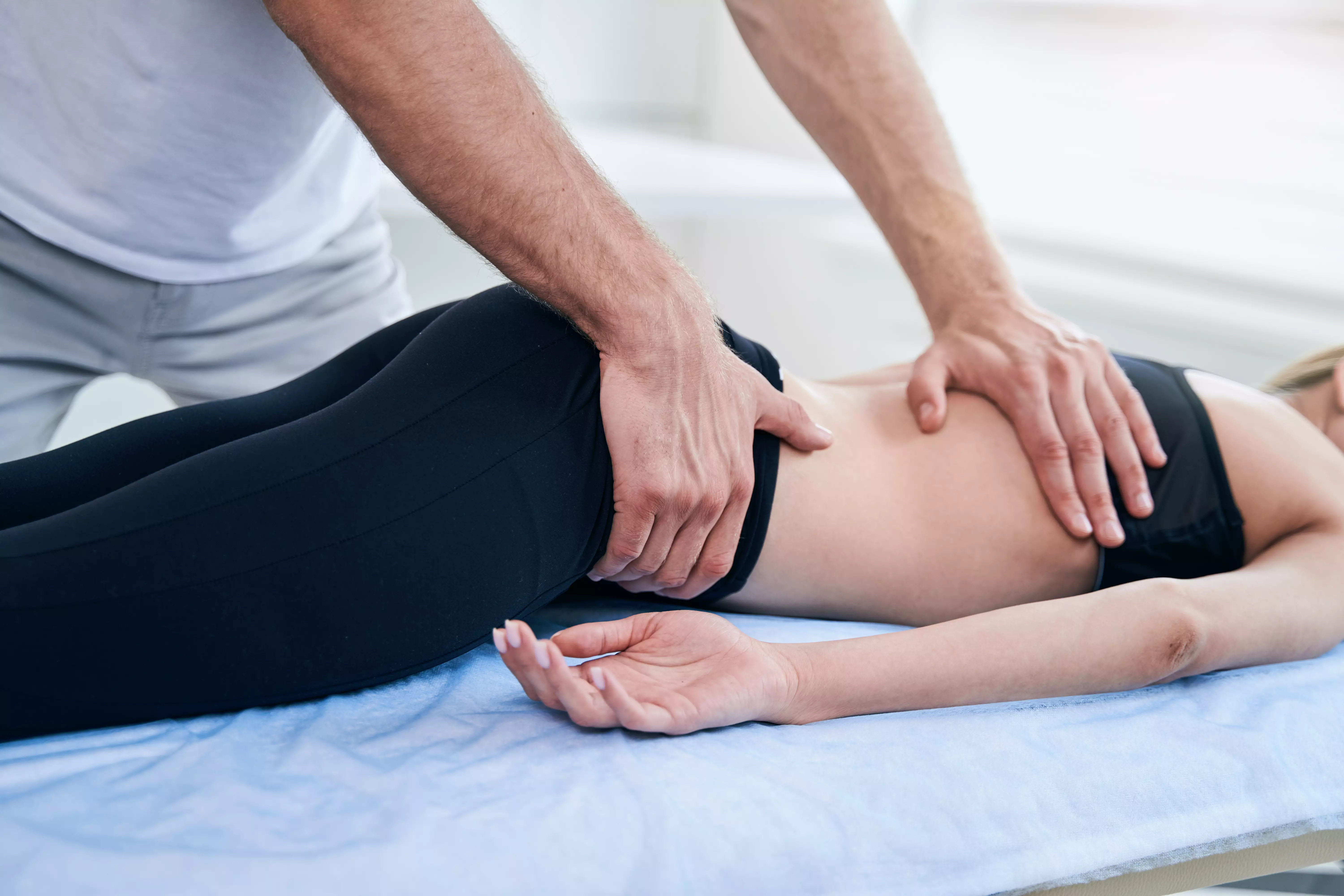
3. Techniques used in pediatric osteopathy
3.1 Craniosacral techniques
Craniosacral techniques focus on gentle manipulation of the skull, spine and sacrum to improve nervous system function and promote natural healing processes. Pediatric osteopaths use these techniques to treat feeding problems, cranial asymmetries, headaches and other nervous system complaints.
3.2 Visceral techniques
Visceral techniques refer to the manipulation of internal organs to improve their function and promote a child's overall health. Pediatric osteopaths use visceral techniques to treat infantile colic, digestive problems, constipation and other ailments related to the digestive system.
3.3 Soft tissue techniques
Soft tissue techniques include massage, stretching and fascial techniques to reduce tension and improve circulation in the soft tissues. Pediatric osteopaths use these techniques to treat muscle tension, injuries and postural problems.
3.4 Joint manipulation techniques
Joint manipulation techniques aim to restore joint mobility, improve joint function and reduce pain. Pediatric osteopaths use these techniques to treat knee, foot and other joint dysfunctions.
4. Benefits of pediatric osteopathy
4.1 Improving musculoskeletal function
Pediatric osteopathy can help improve a child's musculoskeletal functioning by reducing muscle tension, improving joint mobility and promoting normal growth and development. As a result, children can enjoy better function and a lower risk of future health problems.
4.2 Reducing pain and discomfort
Pediatric osteopathy can provide relief from pain and discomfort associated with a variety of ailments, such as infant colic, headaches, injuries and muscle strains. Gentle manual techniques used by pediatric osteopaths help reduce pain, improve circulation and promote healing.
4.3 Supporting normal development
Pediatric osteopathy promotes normal child development by correcting postural defects, improving joint mobility and supporting the natural processes of growth and development. Pediatric osteopaths work with children and their families to ensure optimal conditions for healthy development and function.
4.4 Supporting the immune system
Improving the functioning of the musculoskeletal system and internal organs can also support a child's immune system, which contributes to better resistance to infection and disease. Pediatric osteopathy helps balance the body, which promotes a child's health and well-being.
5. Collaboration with other specialists
5.1 Multidisciplinary approach
Pediatric osteopathy often requires collaboration with other medical specialists, such as pediatricians, orthopedists, neurologists, speech therapists, physiotherapists or nutritionists. A multidisciplinary approach allows for a comprehensive evaluation of the child's condition and the development of a coherent treatment plan that addresses all aspects of the child's health.
5.2 The role of parents and caregivers
Parents and caregivers play a key role in the osteopathic therapy process. Pediatric osteopaths work with families to provide support and education on proper care, posture, diet and self-help techniques. The collaboration between parents and osteopaths contributes to better therapeutic outcomes and improved health for the child.
6. How to prepare a child for a visit to an osteopath?
6.1 Choosing the right pediatric osteopath
Choosing the right pediatric osteopath is crucial to the success of therapy. Parents should make sure that the osteopath is qualified and experienced in working with children. It's also a good idea to consult other parents or consult a pediatrician before making a decision.
6.2 Preparing the child for the visit
Preparing a child for a visit to an osteopath can help minimize stress and anxiety. Parents can explain to the child what to expect during the visit, using words that are simple and easy for the child to understand. It's also important to bring along any relevant medical information, such as test results, notes from doctors or the child's health history.
6.3 Cooperate during the visit
During a visit to an osteopath, parents should be present and supportive so that the child feels safe and comfortable. The pediatric osteopath will conduct a thorough medical history, physical assessment and apply appropriate manual techniques depending on the child's needs. The cooperation of the parents and the osteopath is crucial for the best therapy results.
Summary
Pediatric osteopathy offers effective methods for treating and supporting children's health through gentle manual techniques that are tailored to the delicate body structure of young patients. Osteopathic therapy can help address a variety of health problems, such as feeding problems, infantile colic, cranial asymmetry, postural defects, injuries and more. Pediatric osteopathy is based on a holistic approach that takes into account the child's whole body and physical, emotional and social development.
By collaborating with other specialists and supporting parents and caregivers, pediatric osteopaths can provide comprehensive health care that supports a child's normal development. Regular visits to a pediatric osteopath can provide numerous benefits, such as improving musculoskeletal function, reducing pain and discomfort, supporting the immune system, and providing optimal conditions for a child's healthy development.
Comments
Search
Add comment