Title: Manual therapy: techniques and benefits
Manual therapy is one of the most important and oldest elements of physical medicine, focused on diagnosing and treating musculoskeletal dysfunctions using the therapist's hands. Manual techniques are used by physical therapists, osteopaths, chiropractors and other specialists to restore joint mobility, reduce pain, improve muscle and joint function and promote the patient's overall health. In this article, we will take a look at various manual therapy techniques and the benefits they bring to patients.
1. What is manual therapy?
1.1 Definition
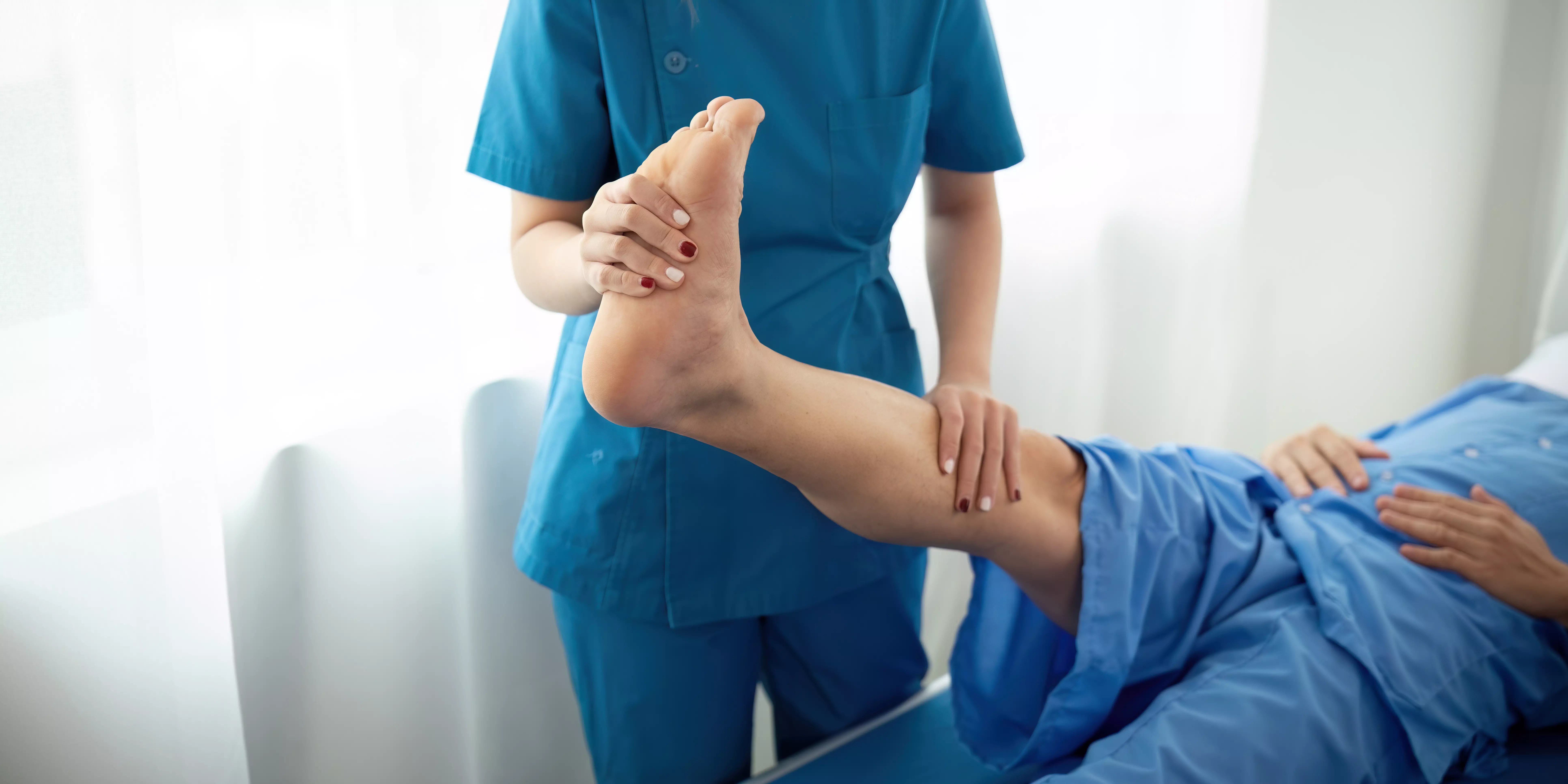
Manual therapy is a group of therapeutic techniques that use touch and manual manipulation to diagnose and treat musculoskeletal dysfunctions. Manual therapy includes a wide range of techniques, such as joint mobilizations, manipulations, massages and soft tissue release techniques. The goals of manual therapy include improving joint mobility, reducing pain, reducing muscle tension and supporting the body's natural healing processes.
1.2 History of manual therapy
Manual therapy has a long history, dating back to antiquity. Manual practices were used in ancient civilizations such as Egypt, China, Greece and Rome to treat various ailments. Modern manual therapy techniques began to develop in the 19th and 20th centuries, when scientists and physicians began to study the anatomy, physiology and mechanisms of manual manipulation. Today, manual therapy is recognized and used worldwide as an effective method of treating musculoskeletal dysfunctions.
2. Manual therapy techniques
2.1 Joint mobilizations
Joint mobilizations are manual techniques that involve gentle, controlled movements of joints to improve their mobility and function. Joint mobilizations can be used to treat restrictions of movement, joint stiffness and pain resulting from joint dysfunction.
- Sliding Techniques: Gently moving joints in the plane of motion to improve mobility and reduce pain.
- Oscillation techniques: Rapid, rhythmic movements of joints to help relax muscles and reduce pain.
- Traction techniques: Gentle, controlled forces that stretch joints to help reduce joint compression and improve circulation.
2.2 Joint manipulations
Joint manipulations, also known as HVLA (High Velocity Low Amplitude) techniques, are more dynamic manual techniques that involve quick, short movements to unlock locked joints and improve joint mobility. Joint manipulations are often used to treat back pain, joint pain and joint dysfunction.
- Spinal Manipulations: Quick, short movements in specific segments of the spine that help unlock joints and reduce pain.
- Peripheral joint manipulations: Manual techniques used to treat dysfunction in the joints of the extremities, such as the knee, hip, shoulder or wrist joints.
2.3 Soft tissue techniques
Soft tissue techniques refer to the manipulation of muscles, fascia and other soft tissues to reduce tension, improve circulation and promote natural healing processes. Soft tissue techniques can help reduce pain, improve tissue elasticity and support a patient's overall health.
- Massage: Various massage techniques, such as Swedish massage, deep tissue massage and orthopedic massage, are designed to reduce muscle tension, improve circulation and reduce pain.
- Stretching: Stretching techniques, such as PIR (Postisometric Relaxation) or PNF (Proprioceptive Neuromuscular Facilitation), aim to improve muscle flexibility and reduce tension.
- Myofascial Release: Gentle, sustained pressure and movements designed to relax the fascia and improve its elasticity.
2.4 Fascial techniques
Fascia is the connective tissue that surrounds the muscles, organs and structures of the body. Dysfunctions of the fascia can lead to tension, pain and movement restrictions. Fascia techniques are designed to release tension in the fascia, improve its elasticity and promote natural healing processes.
- Myofascial Release: Gentle, sustained pressure and movements designed to relax the fascia and improve its elasticity.
- Fascia Stretching Techniques: Stretching techniques designed to improve fascial elasticity and restore normal tissue movement.
2.5 Craniosacral techniques
Craniosacral techniques focus on gentle manipulation of the skull, spine and sacrum to improve nervous system function and promote natural healing processes. Craniosacral techniques are used to treat headaches, migraines, balance disorders and other nervous system-related ailments.
- Cranial Manipulation: Gentle movements of the cranial bones to improve cranial suture mobility and nervous system function.
- Sacral Manipulations: Gentle movements of the sacrum to improve nervous system function and reduce tension in the spine.
2.6 Visceral techniques
Visceral techniques refer to the manipulation of internal organs to improve their function and promote the patient's overall health. Visceral techniques can help treat digestive problems, constipation, gastroesophageal reflux and other ailments related to the digestive system.
- Visceral Manipulations: Gentle, precise movements designed to release tension in the tissues surrounding organs and improve blood and lymph flow.
3. Benefits of manual therapy
3.1 Pain reduction
One of the main goals of manual therapy is to reduce pain. Manual techniques such as joint manipulation, soft tissue techniques and fascial techniques can provide relief for patients suffering from back pain, joint pain, muscle pain and other painful conditions. Manual therapy can help reduce both acute and chronic pain.
3.2 Improving joint mobility
Manual therapy can help improve joint mobility, which is especially important for patients with movement limitations resulting from joint dysfunction, degeneration or injury. Joint mobilizations, manipulations and traction techniques can restore full range of motion in joints and improve joint function.
3.3 Muscle tension reduction
Muscle tensions can lead to pain, discomfort and movement restrictions. Soft tissue techniques such as massage, stretching and myofascial release can help reduce muscle tension, improve muscle flexibility and reduce pain. Manual therapy can provide relief for patients suffering from chronic muscle tension and related ailments.
3.4 Improving circulation
Manual techniques such as massage, joint mobilizations and fascial techniques can improve blood and lymph circulation, which promotes the body's natural healing processes. Improved circulation can contribute to faster tissue healing, reduced swelling and improved overall patient health.
3.5 Supporting natural healing processes
Manual therapy promotes the body's natural healing processes by improving joint mobility, reducing muscle tension and improving circulation. Manual techniques can help restore balance in the body and support the body's ability to heal itself. Patients using manual therapy can experience faster recovery and a better quality of life.
3.6 Increasing tissue flexibility and strength
Manual techniques such as stretching, myofascial release and fascial techniques can improve tissue flexibility and strength, which is crucial to maintaining full musculoskeletal function. Improving tissue flexibility can help prevent injuries and promote patients' health and fitness.
3.7 Improving nervous system function
Craniosacral techniques and joint manipulation techniques can help improve nervous system function by reducing tension in the spine, skull and sacrum. Improving nervous system function can help reduce pain, improve coordination and balance, and promote a patient's overall health.
3.8 Reducing stress and improving well-being
Manual therapy can help reduce stress and improve patients' well-being by relaxing muscles, reducing tension and improving circulation. Manual therapy can support patients' mental health by helping them cope with stress and improve their quality of life.
4. Examples of manual therapy applications
4.1 Treatment of spinal pain
Manual therapy is effective in treating spinal pain, whether lumbar, thoracic or cervical. Joint manipulation techniques, soft tissue techniques and fascial techniques can help reduce pain, improve spinal mobility and promote the body's natural healing processes.
4.2 Treating joint pain
Manual therapy can provide relief for patients suffering from joint pain, such as knee, hip, shoulder or wrist pain. Joint mobilizations, manipulations and soft tissue techniques can help improve joint mobility, reduce pain and promote healing.
4.3 Treating headaches and migraines
Manual therapy can be effective in treating headaches and migraines. Craniosacral techniques, soft tissue techniques and fascial techniques can help reduce tension in the skull, neck and shoulders and improve circulation, which can help reduce the frequency and intensity of headaches and migraines.
4.4 Treatment of sports injuries
Manual therapy can be effective in treating sports injuries such as sprains, dislocations, muscle and tendon strains. Soft tissue techniques, joint manipulation techniques and stretching techniques can help reduce pain, improve mobility and promote healing.
4.5 Treatment of digestive problems
Manual therapy can support the treatment of digestive problems such as irritable bowel syndrome (IBS), gastroesophageal reflux disease (GERD) and constipation. Visceral techniques can help improve internal organ function and reduce symptoms related to the digestive system.
4.6 Treating postural problems
Manual therapy can help treat postural problems such as scoliosis, lordosis and kyphosis. Joint manipulation techniques, soft tissue techniques and corrective exercises can help correct postural defects, reduce pain and promote proper functional development.
4.7 Treatment of overuse injuries
Manual therapy can be effective in treating overuse injuries such as tendinitis (tendinopathy), plantar fasciitis (plantar fasciitis) and joint strain. Soft tissue techniques, joint manipulation techniques and fascial techniques can help reduce tension, improve circulation and promote healing.
5. Collaborate with other specialists
5.1 Multidisciplinary approach
Treatment of musculoskeletal dysfunctions often requires collaboration with other medical specialists, such as physicians, orthopedists, neurologists, occupational therapists, physiotherapists and nutritionists. A multidisciplinary approach allows for a comprehensive assessment of the patient's condition and the development of a coherent treatment plan that addresses all aspects of the patient's health.
5.2 The role of manual therapy in the therapeutic team
Manual therapy plays a key role in the therapeutic team, offering its unique skills and manual techniques in the treatment of musculoskeletal dysfunctions. The manual therapist's collaboration with other specialists allows for a better understanding and treatment of patients' complex health problems, which can result in long-term therapeutic benefits.
6. Patient education
6.1 Self-help and relaxation techniques
Patient education is an integral part of manual therapy. Manual therapists teach patients self-help techniques such as stretching exercises, relaxation techniques, stress management and proper posture. Patient awareness and involvement in the therapeutic process increases the effectiveness of therapy and speeds up the return to full function.
6.2 Importance of physical activity
Regular physical activity plays a key role in the treatment of musculoskeletal dysfunction. Manual therapists help patients develop personalized exercise programs that take into account their individual needs and abilities. Exercises that strengthen, stretch and improve balance and coordination can promote musculoskeletal health and reduce pain.
6.3 Diet and lifestyle
Diet and lifestyle have a huge impact on musculoskeletal health and overall body health. Manual therapists can advise patients on a healthy diet that promotes healing and tissue regeneration. Recommendations may include:
- Eating anti-inflammatory foods: Including foods rich in omega-3 fatty acids, such as fish, nuts and seeds, in the diet can help reduce inflammation.
- Bone Strengthening: Eating foods rich in calcium and vitamin D, such as milk, yogurt, cheese, green leafy vegetables and vitamin D-fortified products, can support bone health.
- Adequate hydration: Drinking adequate amounts of water is key to muscle and joint health and supporting metabolic processes.
- Avoidance of processed foods: Limiting intake of processed foods, rich in refined sugars, trans fats and preservatives, can support overall health and reduce the risk of inflammation.
Summary
Manual therapy offers a wide range of therapeutic techniques that can effectively help treat musculoskeletal dysfunction. Joint manipulation techniques, soft tissue techniques, fascial techniques, cranio-sacral techniques and visceral techniques can provide relief for patients suffering from back pain, joint pain, muscle pain, headaches, migraines and other ailments.
Benefits of manual therapy include reducing pain, improving joint mobility, reducing muscle tension, improving circulation, promoting natural healing processes, increasing tissue flexibility and strength, improving nervous system function, and reducing stress and improving mood.
Cooperation with other medical professionals and patient education in self-help, relaxation techniques, physical activity, diet and lifestyle are key to achieving the best therapeutic results. Manual therapy, as an integral part of the treatment team, can provide long-term health benefits and improve patients' quality of life.
Add comment