Title: How to properly care for the spine?
The spine is a central component of the human skeletal system, playing a key role in providing mobility, stability and protection for the spinal cord. The health of the spine has a direct impact on quality of life, and neglect of the spine can lead to pain, movement restrictions and serious medical conditions. That's why it's important to know how to properly care for the spine. In this article, we will discuss what are the most important rules for taking care of the spine, what exercises can support its health, and what habits are worth introducing in daily life.
1. Anatomy and functions of the spine
1.1 Structure of the spine
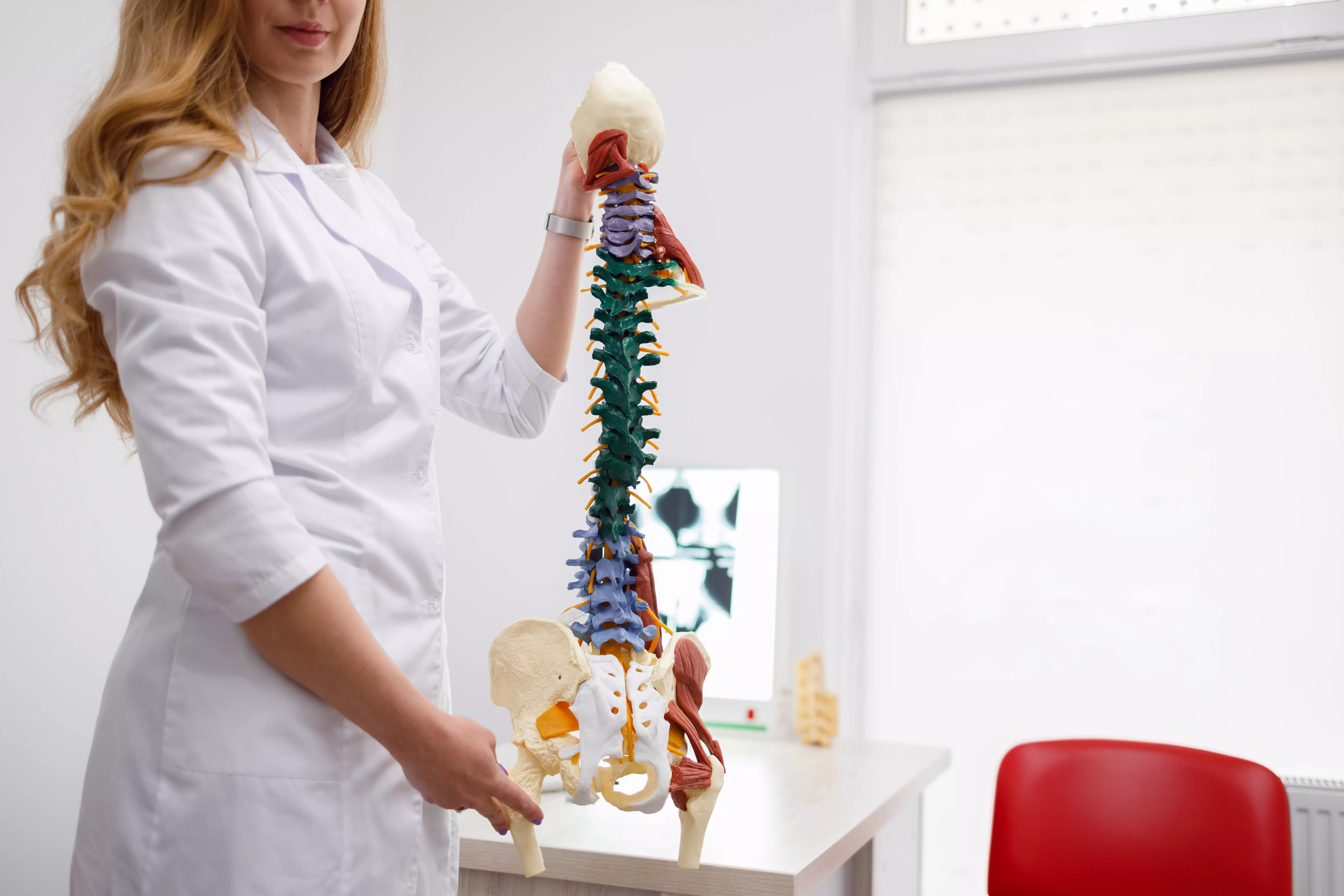
The spine consists of 33-34 vertebrae, which are divided into five sections:
- Cervical section (7 vertebrae): This section is located in the neck and allows the head to move. The first vertebra (atlas) and the second vertebra (axis) have a unique structure that allows the head to rotate.
- Thoracic segment (12 vertebrae): The thoracic vertebrae are connected to the ribs, forming the rib cage. This section is less mobile than the cervical and lumbar sections.
- Lumbar segment (5 vertebrae): This section is located in the lower back and is the most mobile and stressed section of the spine.
- Sacral segment (5 fused vertebrae): The sacral vertebrae are fused into a single bone - the sacrum.
- Tumoral segment (3-5 fused vertebrae): Also known as the coccyx, the nodal segment is a remnant of the physiological tail and serves a stabilizing function.
1.2 Functions of the spine
The spine has several key functions:
- Stabilization and Support: The spine is the main axial structure of the body, supporting the body's weight and enabling it to maintain proper posture.
- Mobility: Thanks to the various sections and intervertebral joints, the spine allows a wide range of movement, such as bending, straightening, rotating and tilting.
- Spinal cord protection: The spine protects the spinal cord, a key part of the nervous system that conducts signals between the brain and the rest of the body.
- Shock absorption: The intervertebral discs act as shock absorbers, absorbing the forces and shocks that occur during movement.
2. Exercises to support spinal health
2.1 Exercises to strengthen back and abdominal muscles
Strong back and abdominal muscles are key to maintaining a healthy spine. Here are some exercises that can help strengthen them:
- Desk (plank): This exercise strengthens the abdominal, back and deep stabilizing muscles. To perform the plank, lie on your stomach, then raise your body, resting on your forearms and toes. Keep your body in a straight line for 30-60 seconds.
- Hip Bridge: This exercise strengthens the muscles of the back, buttocks and abdomen. Lying on your back, bend your knees and place your feet on the floor. Raise your hips, tightening your gluteal and abdominal muscles. Hold the position for a few seconds, then lower your hips.
- Superman: This exercise strengthens the muscles of the lower back. Lying on your stomach, lift your arms and legs at the same time, keeping your head in line with your spine. Hold for a few seconds, then lower your limbs.
2.2 Stretching exercises
Regular stretching of the back muscles and the muscles around the spine can help maintain flexibility and prevent injury:
- Kitten-Skin Stretch: This exercise increases flexibility in the spine. Start on all fours, with your hands under your shoulders and your knees under your hips. Arch your back upward (kitten), then arch your back downward (fudge).
- Torso twists: Lying on your back, bend your knees and place your feet on the floor. Slowly rotate your knees to one side while keeping your shoulders on the floor. Hold the position for 20-30 seconds, then repeat on the other side.
- Lower Back Muscle Stretch: Lying on your back, draw your knees to your chest, holding them with your hands. Gently rock back and forth, massaging your lower back.
2.3 Exercises to improve balance and coordination
Balance and coordination exercises can help prevent falls and injuries and promote spinal health:
- Standing on one leg: Standing on one leg, maintain balance for 30 seconds. Repeat on the other leg. You can increase the difficulty by closing your eyes or making movements with your arms.
- Circle around the hips: Perform hip circles while standing upright. This movement improves hip coordination and mobility, which benefits spinal health.
- Deep muscle strengthening: Perform exercises that engage the deep muscles, such as Pilates or yoga.
3. Ergonomics and posture
3.1 Ergonomics in office work
Sitting for long periods of time, especially in the wrong position, can lead to back pain. Here are some tips on how to improve ergonomics in the workplace:
- Chair and desk: Make sure the chair and desk are properly adjusted to your height. The chair should have an adjustable height, lumbar support and armrests. The desk should be high enough so that the computer monitor is at eye level.
- Monitor: Place the monitor at eye level to avoid excessive head tilt. Maintain a distance of about 45-60 cm between your face and the monitor.
- Keyboard and mouse: Make sure the keyboard and mouse are aligned with your forearms to avoid excessive tension on your hands and wrists.
- Regular breaks: Take regular breaks while working, stand up, stretch and take a few steps every 30-60 minutes.
3.2 Correct posture while sitting
Maintaining correct posture while sitting can help prevent back pain:
- Keep your spine straight: When sitting, keep your back straight and your head and neck aligned with your spine.
- Foot flat on the floor: Make sure your feet are flat on the floor and your knees form a right angle.
- Avoid crossing legs: Crossing your legs can lead to imbalance and muscle tension. Keep your feet parallel on the floor.
3.3 Correct posture when standing and walking
Taking care of correct posture while standing and walking is equally important:
- Maintain the natural curves of the spine: When standing, keep the curves of the spine in a natural position, with the head in line with the spine.
- Equal foot weight: Make sure your body weight is evenly distributed on both feet.
- Avoid excessive stooping: When walking, try to avoid leaning your body too far forward or backward. Keep your spine in a straight line.
4. Avoid overloading and lifting weights
4.1 Avoid overloading the spine
Limiting spinal overload can help prevent pain and injury:
- Avoid prolonged heavy lifting: Try to avoid prolonged heavy lifting. If you must carry heavy objects, do so in moderation and with care.
- Lift from your knees, not your back: When you need to lift a heavy object, remember to bend your knees, not bend your back. Use your leg muscles, not your spine, to lift the weight.
- Avoid twisting your torso: When lifting and carrying weights, try to avoid twisting your torso. Instead, rotate your entire body to maintain proper posture.
4.2 Proper weightlifting techniques
Lifting weights in the correct way can help prevent spinal injuries:
- Get closer to the object: Move closer to the object being lifted to reduce the leverage on the spine.
- Bend knees: Bend your knees, keeping your back straight and your feet hip-width apart.
- Lift object using leg muscles: Use your leg muscles, not your spine, to lift the weight.
- Hold the object close to your body: When lifting and carrying weight, hold the object close to your body to reduce strain on your spine.
5. Taking care of a healthy weight and diet
5.1 Maintaining a healthy weight
Maintaining a healthy weight is crucial for spinal health. Excess weight can lead to excessive strain on the spine and increase the risk of back pain:
- Regular physical activity: Regular physical activity, such as walking, swimming, cycling or water exercise, can help control weight and support spinal health.
- Healthy diet: A balanced diet, rich in vegetables, fruits, proteins and whole grains, can support maintaining a healthy weight.
5.2 Healthy diet for spine health
Diet plays an important role in maintaining spinal health. The following nutrients are worth noting:
- Calcium and Vitamin D: Calcium and vitamin D are crucial for bone health. Consume calcium-rich foods such as milk, yogurt, cheese, tofu, and foods fortified with vitamin D.
- Protein: Protein is important for muscle and soft tissue health. Include protein sources such as lean meat, fish, eggs, nuts and seeds in your diet.
- Omega-3: Omega-3 fatty acids have anti-inflammatory effects and can support joint health. Consume fish rich in omega-3s, such as salmon, mackerel and sardines, as well as walnuts and flaxseeds.
6. Regular checkups and preventive care
6.1 Regular checkups with specialists
Regular examinations with specialists, such as a physiotherapist, orthopedist or chiropractor, can help detect and treat back problems at an early stage:
- Physiotherapy: A physiotherapist can assess the condition of the spine, suggest appropriate exercises and therapeutic techniques to help maintain the health of the spine.
- Orthopedist: An orthopedist can diagnose and treat spinal conditions such as disc herniation, scoliosis and arthritis.
- Chiropractor: Chiropractors can use manipulative techniques to improve spinal function and reduce pain.
6.2 Prevention and early intervention
Prevention and early interventions can help prevent back problems:
- Early recognition of symptoms: Watch for symptoms such as back pain, numbness, tingling, muscle weakness and movement limitations. If these symptoms occur, consult your doctor.
- Regular exercise: Regular exercise to strengthen, stretch and improve balance and coordination can help prevent back problems.
- Ergonomics and posture: Taking care of proper ergonomics in the workplace and maintaining correct posture when sitting, standing and walking can help prevent back pain.
Summary
Taking care of spinal health is key to maintaining a high quality of life, mobility and overall well-being. By regularly performing exercises that strengthen, stretch and improve balance and coordination, you can promote spinal health. It is also important to maintain proper posture while sitting, standing and walking, and to take care of ergonomics in the workplace.
Avoiding overload and using proper weightlifting techniques can help prevent spinal injuries. Maintaining a healthy weight and a balanced diet rich in nutrients such as calcium, vitamin D and protein are key to spinal health.
Regular checkups with specialists such as a physiotherapist, orthopedist and chiropractor can help detect and treat spine problems at an early stage. Prevention and early intervention can make a significant difference in the health of the spine and prevent serious conditions.
Taking care of the spine is an investment in health and quality of life. By following the above principles and tips, you can enjoy a healthy, fit and pain-free spine for many years to come.
Add comment