 mlederer.it
How to prepare for your first visit to an osteopath
A visit to an osteopath can be an important step toward improving your health and quality of life, especially if you are struggling with chronic pain, musculoskeletal problems, strains or other ailments. Osteopathy is a holistic form of manual therapy that focuses on diagnosing, treating and preventing dysfunction of the musculoskeletal system and other body systems. Preparing for your first visit to an osteopath is crucial to ensure full and effective treatment. In this article, we will discuss how to prepare for your first visit to an osteopath, what to expect and what questions to ask during your visit.
1. Understanding osteopathy
Osteopathy is a holistic system of manual medicine that focuses on the diagnosis, treatment and prevention of dysfunction of the musculoskeletal system and other body systems. Osteopaths use manual techniques such as manipulations, mobilizations, soft tissue techniques and craniosacral techniques to improve the function of the entire body and promote health.
1.2 History of osteopathy
Osteopathy was founded by American physician Andrew Taylor Still in 1874. Still believed that the body had a natural ability to heal itself, and that disruptions in the body's structure could lead to disease. His approach to treatment included manual manipulation and a holistic approach to patient health.
1.3 When to use the services of an osteopath?
Osteopathy can be effective in treating a variety of ailments, such as:
- Back and spine pain
- Neck pains
- Headaches and migraines
- Joint problems (e.g. shoulder, knee, hip)
- Digestive problems
- Postural disorders
- Respiratory problems
- Stress and muscle tension
2. How to prepare for the first visit
2.1 Gather medical information
Before your first visit to an osteopath, it is important to gather all relevant medical information that can help with diagnosis and treatment. Here is a list of information you should prepare:
- Medical history: Write down any previous injuries, surgeries, chronic diseases and current ailments.
- Symptom lis: Make a note of all the symptoms you are experiencing, their intensity, frequency, and situations in which they worsen.
- Drugs and supplements: Prepare a list of all medications and supplements you are currently taking, including dosage.
- Test results: Gather the results of diagnostic tests, such as X-rays, MRIs, ultrasounds or blood tests.
2.2 Prepare questions for the osteopath
Preparing questions for your osteopath can help you get a more complete picture of your condition and understand the proposed treatment plan. Here are sample questions to ask:
- What techniques will be used in my case?
- What are the goals of the therapy and what results can I expect?
- What is the expected duration of treatment?
- Are there any contraindications to using certain techniques?
- What lifestyle, exercise or diet recommendations can I make to support the therapy?
2.3 Dressing for the visit
For a visit to an osteopath, it is a good idea to dress in comfortable, loose-fitting clothes that do not restrict movement. The osteopath may ask you to remove some of your clothing to better assess the condition of your body and perform therapy. It is recommended to wear underwear that you feel comfortable in.
2.4 Mental preparation
It's a good idea to mentally prepare for your visit by keeping an open mind and being cooperative. Osteopathic therapy requires trust in the therapist and commitment on the part of the patient. Remember that an osteopath is a professional who aims to improve your health and well-being.
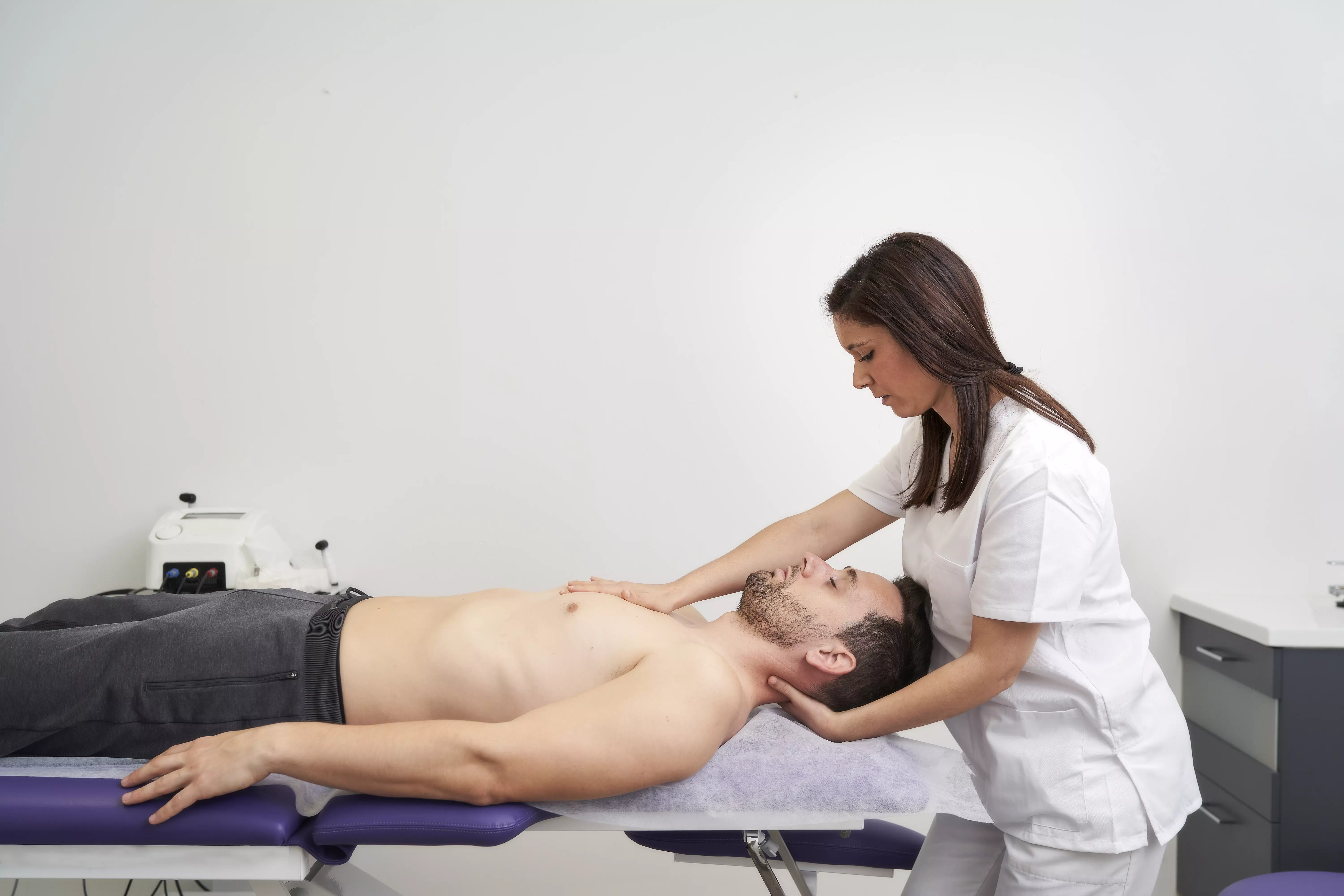
3. What to expect during your first visit
3.1 Medical history
The first visit to an osteopath usually begins with a detailed medical history. The osteopath will ask questions about your medical history, current ailments, lifestyle, diet and any factors that may be affecting your health. The medical history provides a complete picture of your condition and is crucial to the diagnosis and treatment plan.
3.2 Physical assessment
After the medical history, the osteopath will conduct a physical assessment, which may include:
- Body Inspecti: The osteopath will assess your posture, spinal alignment, muscle tone, and body asymmetry.
- Palpation: The osteopath will gently touch various areas of the body to assess muscle tone, tissue elasticity, and the presence of trigger points.
- Mobility tests: The osteopath may ask you to perform various movements to assess the range of motion of joints, flexibility of muscles and ligaments, and functioning of the nervous system.
- Specialized tests: Depending on the ailment, the osteopath may perform specialized tests, such as orthopedic, neurological or functional tests.
3.3 Diagnosis and treatment plan
Based on a medical history and physical assessment, the osteopath will make a diagnosis and develop an individualized treatment plan. The treatment plan may include:
- Manual techniques: Manipulations, mobilizations, soft tissue techniques, craniosacral techniques, visceral techniques.
- Lifestyle recommendations: Therapeutic exercises, dietary changes, relaxation techniques, changes in daily habits.
- Monitoring progress: Regular follow-up visits to monitor progress and adjust treatment plan.
3.4 First therapy session
Depending on the diagnosis and treatment plan, the osteopath may begin therapy at the first visit. The first therapy session may include a variety of manual techniques designed to improve body function, reduce pain and muscle tension, and promote natural healing processes.
4. How to work with an osteopath
Working with an osteopath requires openness and communication. It is important to share any information about your condition, your symptoms, how you feel during treatment and any doubts or concerns. Good communication allows for more effective and customized treatment.
4.2 Adherence to treatment recommendations
To achieve the best results from therapy, it is important to follow therapeutic recommendations, such as regular exercise, dietary changes and relaxation techniques. Patient involvement in the treatment process is key to improving health and well-being.
4.3 Monitoring progress
Regularly monitoring progress and reporting any changes in health or new symptoms to the osteopath is important for effective treatment. The osteopath can adjust the treatment plan in response to the patient's progress and changing needs.
4.4 Patience and consistency
Osteopathic therapy may take time to produce its full effects. It is important to be patient and consistent with treatment recommendations and regular visits to the osteopath. Gradual progress can lead to lasting improvements in health and quality of life.
5. Frequently Asked Questions (FAQs)
5.1 Is osteopathy safe?
Osteopathy is generally considered a safe form of therapy, especially when administered by a qualified and licensed osteopath. The manual techniques used in osteopathy are gentle and designed to promote the body's natural healing processes. However, it is important to inform the osteopath of any existing medical conditions, injuries or contraindications.
5.2 How long does each visit last?
The duration of a visit to an osteopath can vary depending on the individual needs of the patient and the purpose of the visit. The first visit usually lasts longer, about 60-90 minutes, as it includes a detailed medical history, physical assessment and the first therapy session. Subsequent visits can last between 30 and 60 minutes.
5.3 How often should I visit an osteopath?
The frequency of visits to an osteopath depends on the individual patient's needs, the type of ailment and the treatment plan. At the beginning of treatment, visits may be more regular, such as weekly or every few weeks. As you progress, visits may be less frequent, such as monthly or occasionally to maintain the effects of therapy.
5.4 Can osteopathy be used as the only form of treatment?
Osteopathy can be an effective form of treatment for many ailments, but in some cases it can be used as an adjunct to other treatments, such as physiotherapy, pharmacotherapy or surgical interventions. It is important to consult your doctor and osteopath to determine the best treatment plan.
5.5 Is osteopathy suitable for children?
Osteopathy can be used with children and infants to treat a variety of ailments, such as infantile colic, sleep disorders, head asymmetry, feeding problems or developmental delays. The osteopath uses gentle manual techniques adapted to the child's age and condition.
Summary
A first visit to an osteopath can be an important step toward improving health and quality of life. Osteopathy is a holistic form of manual therapy that focuses on diagnosing, treating and preventing dysfunction of the musculoskeletal system and other body systems. Being prepared for your first visit to an osteopath is crucial to ensure complete and effective treatment.
Preparation includes gathering medical information, preparing questions for the osteopath, appropriate attire and mental preparation. During your first visit, you can expect a medical history, physical assessment, diagnosis, treatment plan and first treatment session.
Working with an osteopath requires openness, communication, adherence to treatment recommendations, monitoring of progress and patience. Osteopathy is a safe and effective form of therapy that can be used with both adults and children. It is important to consult with your doctor and osteopath to determine the best treatment plan.
Remember that your health and well-being are paramount, so it is worth investing the time and effort to properly prepare for your visit to the osteopath and actively cooperate in the treatment process.
Comments
Search
Add comment