Title: How to choose the right physiotherapist?
Choosing the right physiotherapist is a key step in the process of rehabilitation and recovery from injuries, surgeries or chronic diseases. A good physiotherapist not only has the right knowledge and skills, but also knows how to tailor therapy to the patient's individual needs. In this article, we will discuss what to look for when choosing a physiotherapist, what qualifications and certifications are important, what questions to ask during the first visit, and what qualities and skills of a therapist can indicate his professionalism.
1. Qualifications and certifications
1.1 Education
The first step in selecting a physiotherapist is to check his education. The physiotherapist should have a relevant education in physiotherapy, usually a completed bachelor's or master's degree in physiotherapy. It is also worth checking whether the physiotherapist has completed additional courses and specialized training.
1.2 Licenses and certifications
A physiotherapist should have a license to practice, which is issued by the relevant professional authority in the country. In Poland, this is the National Chamber of Physiotherapists. The license confirms that the physiotherapist meets certain educational and professional standards. In addition, look out for certificates of completion of specialized courses, such as manual therapy, kinesitherapy, trigger point therapy or fascial techniques.
1.3 Membership in professional organizations
Membership in professional organizations, such as the Polish Physiotherapy Society (PTF) or international physiotherapy organizations, can demonstrate a physiotherapist's commitment to developing his or her knowledge and skills and adhering to high professional standards.
2. Experience and specializations
2.1 Professional experience
The professional experience of a physiotherapist is a key factor in choosing the right specialist. A physiotherapist with many years of experience can better understand the patient's needs and more effectively tailor therapy to the patient's individual requirements.
2.2 Specialties
Different physiotherapists may specialize in different areas, such as:
- Orthopedic Rehabilitation: Treatment of musculoskeletal injuries such as fractures, sprains, muscle and tendon pulls.
- Neurological rehabilitation: Treatment of patients with neurological diseases such as stroke, multiple sclerosis, Parkinson's disease.
- Sports rehabilitation: Treating sports injuries and supporting athletes to return to physical activity.
- Pediatric rehabilitation: Treatment of children with various conditions such as cerebral palsy, postural defects and developmental delays.
- Cardiac rehabilitation: Treatment of patients after heart attacks, cardiac surgery, with heart failure.
2.3 References and opinions
It is a good idea to ask the physiotherapist for references from other patients or doctors who have worked with him. You can also check online reviews on patient review sites, discussion forums or social media.
3. Therapeutic methods and approaches
3.1 Holistic approach
A good physiotherapist should use a holistic approach that takes into account the patient's entire body, not just the local problem. Therapy should include both treatment of symptoms and identification and elimination of the causes of the problem.
3.2 Individualized approach to the patient
The physiotherapist should tailor therapy to the patient's individual needs, taking into account the patient's age, health status, level of physical activity and therapeutic goals. An individualized approach to the patient is key to achieving optimal therapeutic results.
3.3 Therapeutic methods used
It is worth noting the therapeutic methods used by the physiotherapist. Some of the popular methods are:
- Manual therapy: Joint mobilization techniques, spinal manipulation, soft tissue techniques.
- Kinesitherapy: Therapeutic exercises to improve range of motion, muscle strength, coordination.
- Trigger Point Therapy: Manipulative techniques to eliminate trigger points in muscles.
- **Fascia techniques**: Techniques aimed at improving fascial elasticity, reducing muscle tension.
- **Physiotherapy**: The use of ultrasound, electrotherapy, laser therapy, cryotherapy to reduce pain, inflammation.
3.4 Cooperation with other specialists
It is worth noting whether the physiotherapist collaborates with other specialists, such as doctors, nutritionists, psychologists, to ensure a comprehensive approach to the patient's treatment. Cooperation with other specialists can contribute to better therapeutic results.
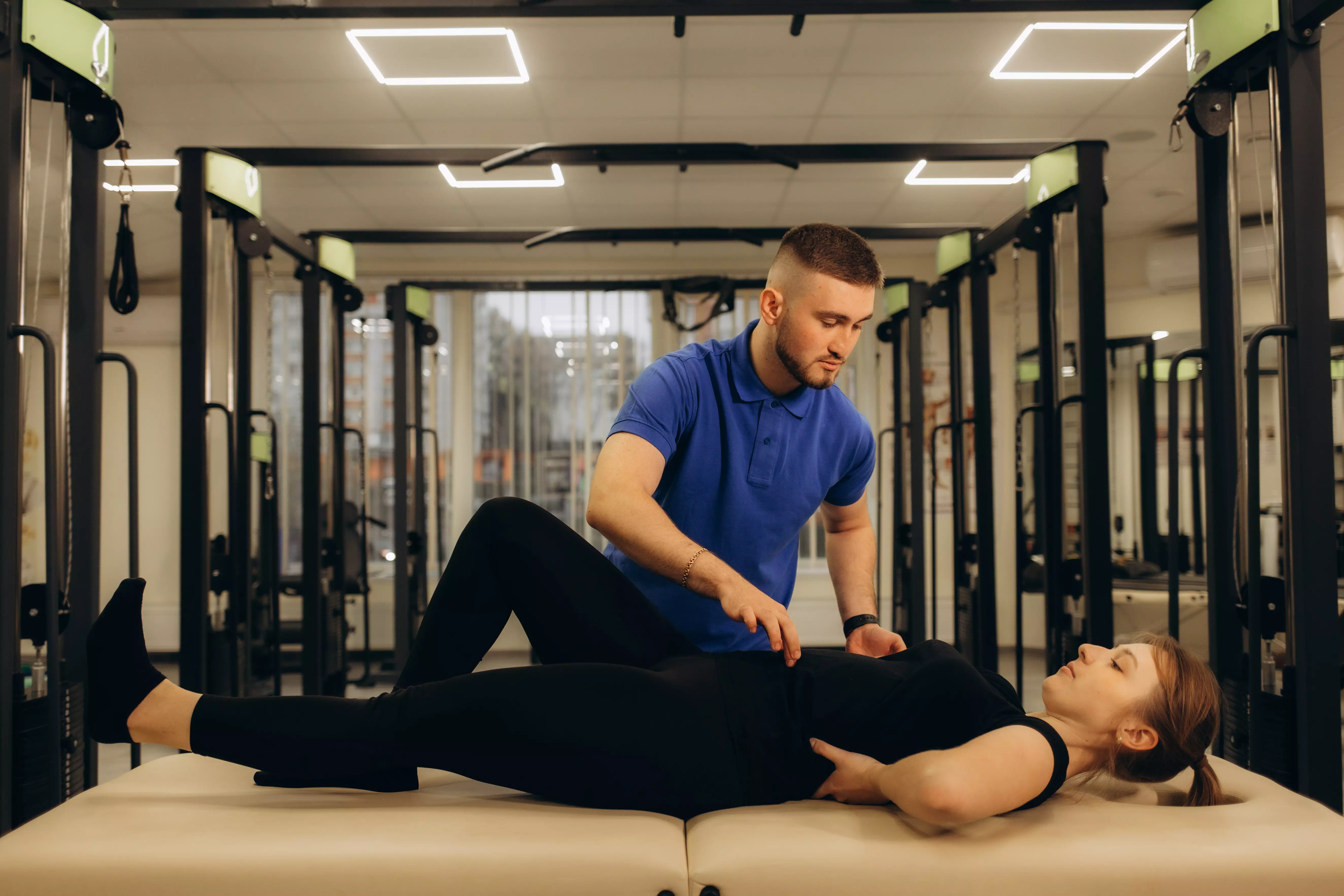
4. Therapist-patient relationship
4.1 Communication
Good communication between the physiotherapist and the patient is crucial for effective therapy. The physiotherapist should be open, patient, ready to listen to the patient and answer his questions. He or she should also clearly explain the goals of therapy, the treatment plan and the expected results.
4.2 Empathy and understanding
A physiotherapist should show empathy and understanding toward the patient, and respect the patient's feelings and concerns. An empathetic approach can help build the patient's confidence and motivation to continue therapy.
4.3 Motivation
A good physiotherapist should be able to motivate the patient to exercise regularly and comply with therapy recommendations. Motivation is key to achieving better therapeutic results and faster recovery.
4.4 Confidence
Trust between physiotherapist and patient is the foundation of effective therapy. The patient should feel comfortable and safe during therapy sessions, and the physiotherapist should always follow professional ethics and care about the patient's welfare.
5. The first visit: what to know and what questions to ask
5.1 Preparing for the first visit
Before your first visit, it's a good idea to prepare by gathering information about your health, medical history, past injuries and surgeries, and current symptoms. It's also a good idea to prepare a list of questions you want to ask the physiotherapist.
5.2 Questions to ask the physiotherapist
During your first visit, it is a good idea to ask your physiotherapist some key questions:
- What is your educational and professional background?
- Do you have specializations or certifications in specific therapeutic techniques?
- What are the goals of the therapy and what methods will be used?
- What are the expected results of the therapy and what is the expected duration of treatment?
- Do you collaborate with other specialists to provide comprehensive treatment?
- What are the recommendations for home exercises and how often should I do them?
- Are there any contraindications or precautions I should be aware of?
5.3 Evaluation of the first visit
After the first visit, it is useful to assess whether the physiotherapist met expectations and whether you felt comfortable during the therapy session. It is important to feel that the physiotherapist is competent, committed and has the right approach to the patient.
6. Qualities and skills of a good physiotherapist
6.1 Professional competence
A good physiotherapist should have a solid education, professional experience and certificates of completion of specialized courses. He should keep abreast of the latest scientific developments and therapeutic techniques.
6.2 Interpersonal skills
A physiotherapist should have interpersonal skills such as openness, patience, empathy, listening and communication skills. These qualities help build patient trust and motivation.
6.3 Diagnostic skills
A good physiotherapist should be able to accurately assess the patient's condition, identify the causes of problems and tailor therapy to the patient's individual needs. He or she should also monitor the patient's progress and adjust the treatment plan as needed.
6.4 Technical skills
The physical therapist should be technically skilled in various therapeutic methods, such as manual therapy, kinesitherapy, trigger point therapy, fascial techniques, and physical therapy. He should be able to apply these techniques effectively to achieve the best therapeutic results.
6.5 Commitment and passion
A good physical therapist should be committed to his work and show passion for helping patients. Commitment and passion can contribute to better therapeutic results and greater patient satisfaction.
7. Conditions and equipment of the practice
7.1 Cleanliness and hygiene
A physiotherapist's office should be clean, hygienic and well organized. It is important that all tools and equipment are properly disinfected and kept clean.
7.2 Equipment
A physiotherapist should have appropriate equipment, such as a massage table, manual therapy equipment, resistance bands, rehabilitation balls, physical therapy machines (ultrasound, electrotherapy, laser therapy) and other tools needed for effective therapy.
7.3 Comfort and privacy
A physical therapist's office should provide comfort and privacy for the patient. It is important that the patient feels comfortable and safe during therapy sessions.
Summary
Choosing the right physiotherapist is a key step in the rehabilitation and recovery process. A good physiotherapist should have the appropriate education, licenses, certifications and professional experience. It is also important that the physiotherapist has specializations in specific fields, the right therapeutic approach, interpersonal, diagnostic and technical skills, as well as being committed and showing passion for their work.
During your first visit, it's a good idea to ask your physical therapist some key questions to learn about his or her qualifications, therapeutic methods, therapy goals and expected results. It is important to feel comfortable and safe during therapy sessions and for the physiotherapist to show empathy, understanding and motivation.
The conditions and equipment of the physiotherapist's office should ensure cleanliness, hygiene, comfort and privacy for the patient. Choosing the right physiotherapist is an investment in health and quality of life, with long-term benefits for both patients and society.
Add comment