 mlederer.it
History of osteopathy and its founders
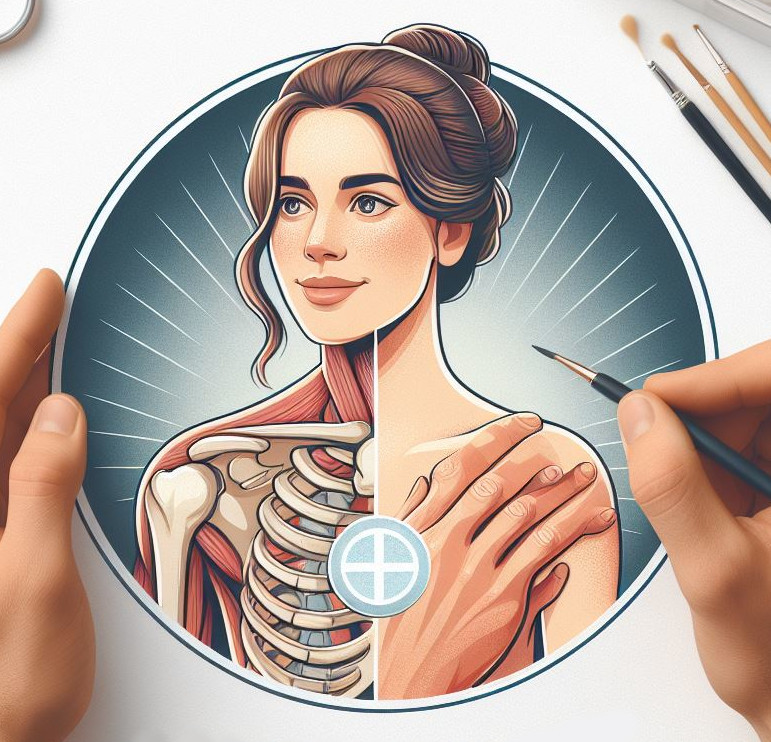
Osteopathy is a branch of manual medicine that has gained worldwide recognition for its effectiveness in diagnosing and treating musculoskeletal problems and promoting overall health. Osteopathy is based on a holistic approach to health that takes into account the body's natural ability to heal and self-regulate. In this article, we will look at the history of osteopathy, its founder Andrew Taylor Still and the evolution of this system of manual medicine over the years.
1. Andrew Taylor Still: the creator of osteopathy
1.1 The early years of life
Andrew Taylor Still was born on August 6, 1828 in Lee County, Virginia, USA. He was the son of Abraham Still, a physician and Methodist preacher, and Martha Pogue Still. As a child, Andrew showed an interest in the anatomy and mechanics of the human body, which inspired him to pursue a career in medicine.
1.2 Education and medical influences
Andrew Taylor Still gained medical knowledge mainly through practice and learning from his father and other doctors at the time. As a young man, he worked as a field doctor in the Union army during the Civil War, which gave him valuable experience in treating wounded soldiers. During this time, Still began to question the effectiveness of conventional medical treatments, which were often invasive and ineffective.
1.3 Disillusionment with conventional medicine
In 1864, Still experienced a personal tragedy when three of his children died of meningitis. This tragic event prompted him to seek alternative treatments that would be more effective and less harmful. Still began studying the anatomy and physiology of the human body and experimenting with various manual techniques, which led him to discover the principles of osteopathy.
2. The birth of osteopathy
2.1 Foundations of osteopathy
Andrew Taylor Still formulated the principles of osteopathy, which were based on a holistic approach to health. He believed that the body has a natural ability to heal itself, and that the key to health is maintaining the proper structure and function of the musculoskeletal system. Still discovered that manual manipulation can improve circulation, lymph flow and nerve function, which promotes the body's natural healing processes.
2.2 First osteopathic practices
Still began practicing osteopathy in the 1870s. His approach to treatment was innovative and attracted the interest of patients and other doctors alike. Still treated a variety of ailments, such as back pain, injuries, digestive problems and headaches, using manual techniques he developed himself.
2.3 Founding of the first school of osteopathy
In 1892, Andrew Taylor Still founded the first school of osteopathy, the American School of Osteopathy (ASO), in Kirksville, Missouri. The school became a center for the teaching and development of osteopathy, attracting students from all over the United States and other countries. Still taught his students not only manual techniques, but also a holistic approach to health and principles of ethics and professionalism.
3. The development of osteopathy
3.1 Development of osteopathy in the United States
After the founding of the American School of Osteopathy, osteopathy quickly gained popularity in the United States. Within a few decades, more osteopathic schools were established that promoted the principles and techniques developed by Still. Osteopaths became recognized medical specialists, offering alternative treatments that were often more effective and less invasive than conventional medicine.
3.2 Expansion of osteopathy worldwide
Osteopathy has also spread beyond the borders of the United States. In Europe, the United Kingdom became one of the major centers of osteopathy, with the British School of Osteopathy founded in 1917 by John Martin Littlejohn, a student of Andrew Taylor Still. In the following years, other osteopathic schools were established in various countries such as France, Australia and New Zealand.
3.3 Contemporary development of osteopathy
Modern osteopathy is developing rapidly, integrating new technologies and scientific research. Osteopaths are using advanced diagnostic tools, such as medical imaging and electromyography, to more accurately diagnose and treat patients. Modern osteopathy combines traditional manual techniques with modern therapeutic methods to provide comprehensive health care to patients.
4. Principles of osteopathy
4.1 Holistic approach
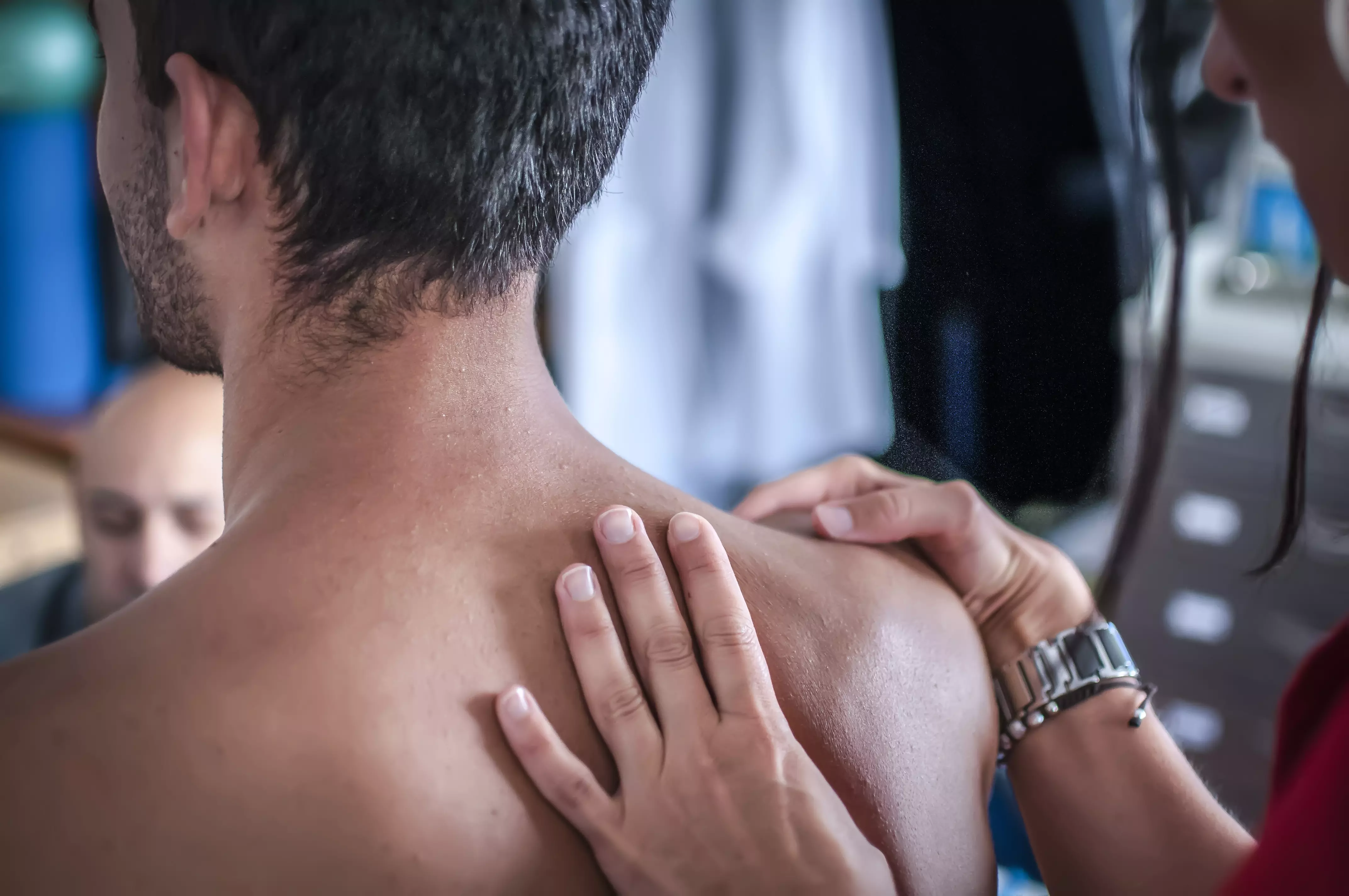
One of the key tenets of osteopathy is a holistic approach to health that considers the whole body, not just the symptoms of disease. Osteopaths believe that all parts of the body are interconnected and work together, and that dysfunction in one area can affect the functioning of other systems. The holistic approach includes a physical, emotional and spiritual assessment of the patient.
4.2 Structure and function
Osteopathy is based on the principle that the structure of the body affects its function. Dysfunctions in the musculoskeletal system, such as muscle strains, joint locks or postural asymmetries, can lead to health problems. Osteopaths aim to restore the proper structure of the body to improve its function.
4.3 Self-regulation and self-healing
Osteopathy believes in the body's natural ability to self-regulate and self-heal. Osteopaths promote these processes through manual manipulation and adjustment of the musculoskeletal system to improve circulation, lymph flow and nerve function. Supporting the body's natural healing mechanisms is a key component of osteopathic therapy.
4.4 Individualized approach
Osteopathy places great emphasis on an individualized approach to each patient. Osteopaths carefully evaluate a patient's health history, symptoms and lifestyle to develop a personalized treatment plan. Individualizing treatment allows for more effective and safer treatment.
5. Osteopathic techniques
5.1 Joint manipulations
Joint manipulations are one of the most well-known techniques used in osteopathy. Osteopaths use precise movements and forces to restore joint mobility, improve joint function and reduce pain. Joint manipulations may include:
- High Velocity Low Amplitude (HVLA) techniques: Quick, short movements to unlock joints and improve their mobility.
- Joint mobilizations: Slower, controlled movements to improve range of motion and joint function.
5.2 Soft tissue techniques
Soft tissue techniques refer to the manipulation of muscles, fascia and other soft tissues to reduce tension, improve circulation and promote natural healing processes. Examples of soft tissue techniques include:
- Massage: Various massage techniques, such as Swedish massage, deep tissue massage and orthopedic massage, are designed to reduce muscle tension and improve tissue elasticity.
- Stretching: Stretching techniques, such as PIR (Postisometric Relaxation) or PNF (Proprioceptive Neuromuscular Facilitation), aim to improve muscle flexibility and range of motion.
5.3 Fascial techniques
Fascia is the connective tissue that surrounds muscles, organs and body structures. Osteopaths use fascial techniques to release tension and adhesions in this tissue, which can lead to improved motor function and pain reduction. Examples of fascial techniques include:
- Myofascial release: Gentle, prolonged pressure and movements to relax the fascia and improve its elasticity.
- Fascia Stretching Techniques: Stretching techniques designed to improve fascial elasticity and restore normal tissue movement.
5.4 Craniosacral techniques
Craniosacral techniques focus on gentle manipulation of the skull, spine and sacrum to improve nervous system function and promote natural healing processes. Osteopaths believe that improving the mobility and function of these structures can provide relief from many ailments, such as headaches, migraines and imbalances.
5.5 Visceral techniques
Visceral techniques refer to the manipulation of internal organs, such as the liver, intestines or stomach, to improve their function and promote the patient's overall health. Osteopaths use gentle, precise movements designed to release tension in the tissues surrounding the organs and improve blood and lymph flow.
6. Osteopathy's contribution to modern medicine
6.1 Alternative method of treatment
Osteopathy has become an established alternative treatment method that offers patients effective and less invasive treatment options. Thanks to its holistic approach, osteopathy can be used to treat a wide variety of ailments, from back and joint pain to digestive and respiratory problems.
6.2 Integration with conventional medicine
Modern osteopathy is increasingly collaborating with conventional medicine to offer a complementary approach to treating patients. Osteopaths are working with physicians, orthopedists, neurologists, occupational therapists and other specialists to provide comprehensive health care. The integration of osteopathy with conventional medicine allows for a better understanding and treatment of patients' complex health problems.
6.3 Research and development
Osteopathy is constantly evolving through scientific research and new technologies. Modern osteopathy research focuses on evaluating the effectiveness of various manual techniques, mechanisms of action and the impact on patients' health. Osteopaths use advanced diagnostic tools such as medical imaging, electromyography and biomechanical analysis to provide precise and effective therapies.
Summary
Osteopathy, founded by Andrew Taylor Still in the late 19th century, has become an established field of manual medicine that offers patients an effective and holistic approach to health. Still formulated the principles of osteopathy, which are based on the body's natural ability to heal itself, the relationship between structure and function, and a holistic approach to health. Osteopathy has expanded worldwide, gaining recognition from patients and medical professionals alike. Modern osteopathy integrates traditional manual techniques with modern diagnostic tools and scientific research to offer patients comprehensive health care. Thanks to osteopathy's contribution to modern medicine, patients have access to effective, less invasive treatments that support their health.
Comments
Search
Add comment