 mlederer.it
Differences between osteopathy and physiotherapy
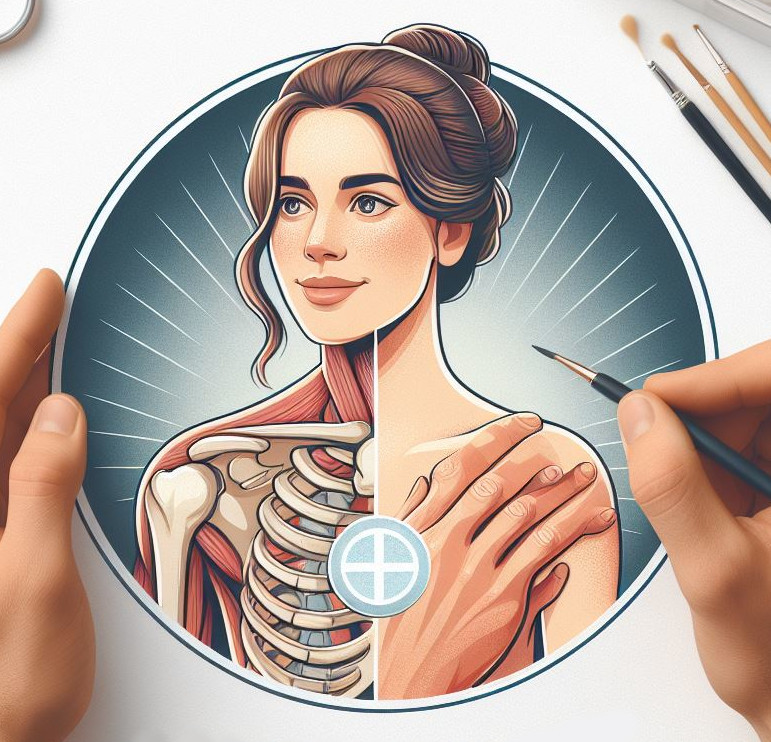
Osteopathy and physiotherapy are two fields of manual medicine that aim to improve patients' health by treating and rehabilitating the musculoskeletal system and promoting overall physical fitness. The two fields have many things in common, such as the use of manual techniques and an individualized approach to the patient. However, there are also important differences between the two practices. In this article, we will look at the differences between osteopathy and physiotherapy, covering history, principles, techniques, treatment approaches and practitioner education and qualifications.
1. History and development of osteopathy and physiotherapy
1.1 History of osteopathy
Osteopathy was founded by Andrew Taylor Still in 1874 in the United States. Still, dissatisfied with conventional medical treatments, which were often invasive and ineffective, decided to seek alternative treatments. He believed that many ailments could be cured by manipulating the musculoskeletal system, improving circulation and promoting the body's natural self-healing mechanisms. Osteopathy quickly gained popularity, and Still founded the first school of osteopathy, the American School of Osteopathy in Kirksville, Missouri, in 1892. Since then, osteopathy has expanded worldwide, becoming a recognized field of manual medicine.
1.2 History of physiotherapy
Physiotherapy has its roots in antiquity, when a variety of therapeutic techniques, such as massage, gymnastics and hydrotherapy, were used to improve health. In modern times, the development of physiotherapy as an organized medical field occurred in the 18th and 19th centuries. In Sweden, Pehr Henrik Ling created a system of medical gymnastics that became the foundation for modern physiotherapy. In the 20th century, especially during World Wars I and II, physiotherapy gained prominence as a key element in the rehabilitation of wounded soldiers. The field continued to grow, and physiotherapists began to educate and specialize in various therapeutic techniques.
2. Principles of osteopathy and physiotherapy
2.1 Principles of osteopathy
Osteopathy is based on several key principles:
- Holistic approach: Osteopathy considers the whole body, not just the symptoms of disease. Osteopaths believe that all parts of the body are interrelated and work together, and that dysfunction in one area can affect the functioning of other systems.
- Structure and Function: Osteopaths believe that the structure of the body affects its function. Dysfunctions in the musculoskeletal system can lead to health problems.
- Self-regulation and self-healing: Osteopathy supports the body's natural ability to self-regulate and self-heal through manual manipulation and adjustment of the musculoskeletal system.
- Individualized approach: Osteopaths tailor therapy to the patient's individual needs and circumstances, taking into account the patient's health history, symptoms and lifestyle.
2.2 Physiotherapy principles
Physiotherapy is also based on several key principles:
- Functional Rehabilitation: Physiotherapy focuses on restoring and improving a patient's motor function to enable him or her to fully participate in daily activities.
- Therapeutic exercise: Physiotherapists use a variety of exercises to improve muscle strength, flexibility, coordination and balance.
- Manual techniques: Physiotherapists use manual techniques, such as joint mobilizations and massage, to improve musculoskeletal function.
- Patient education: Physiotherapists educate patients on proper posture, ergonomics, relaxation techniques and self-rehabilitation to prevent recurrence of conditions.
3. Techniques used in osteopathy and physiotherapy
3.1 Osteopathic techniques
Osteopaths use a variety of manual techniques to treat patients:
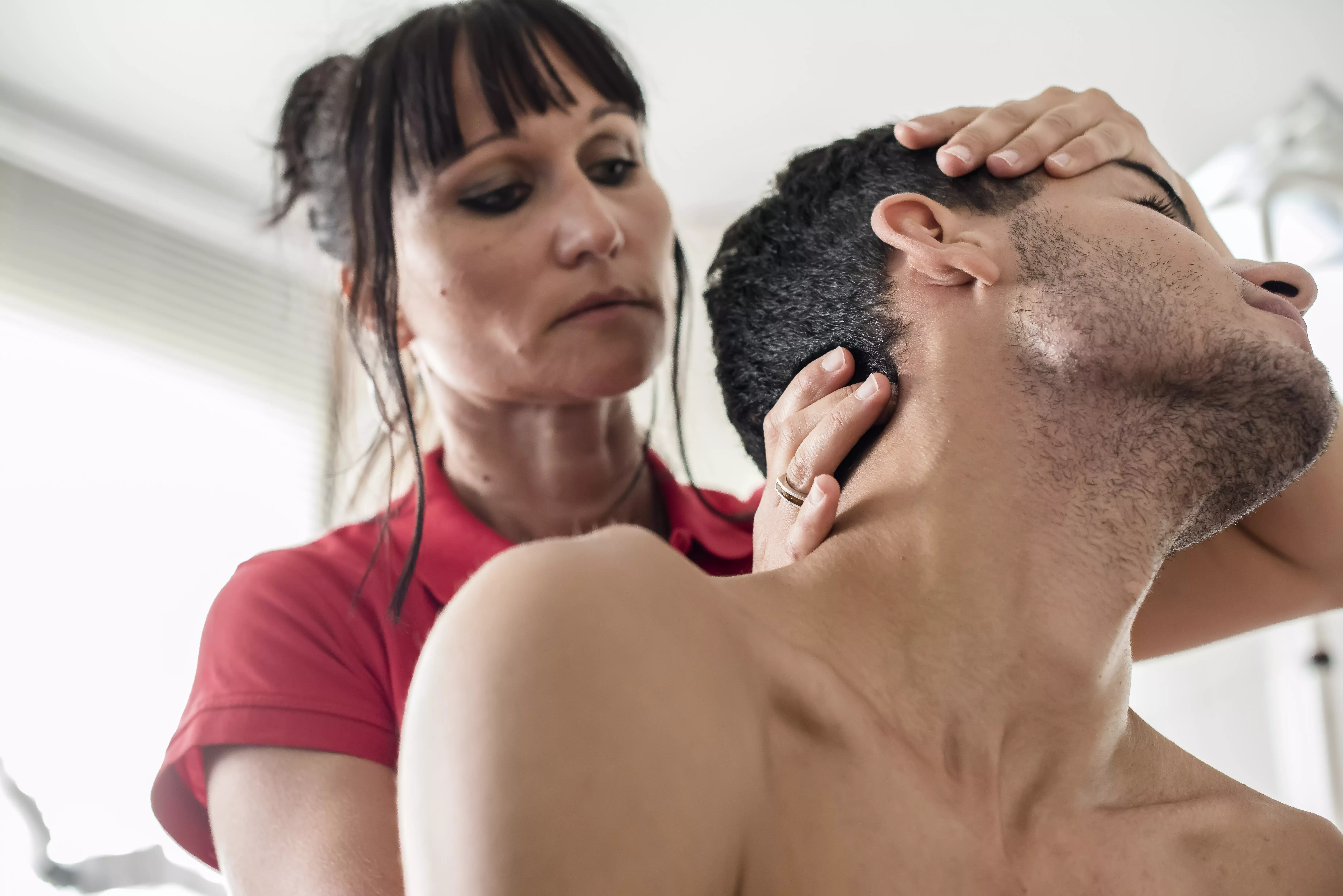
- Joint manipulations: High Velocity Low Amplitude (HVLA) techniques and joint mobilizations aim to restore joint mobility, improve function and reduce pain.
- Soft Tissue Techniques: Massage, stretching and fascial techniques are used to reduce muscle tension, improve circulation and promote natural healing processes.
- CranioSacral Techniques: Manipulations of the cranium, spine and sacrum are designed to improve nervous system function and promote natural healing processes.
- Visceral Techniques: Manipulations of the internal organs improve the function of the digestive, respiratory and other organs.
3.2 Physiotherapeutic techniques
Physiotherapists use a wide range of therapeutic techniques:
- Therapeutic exercises: Exercise programs designed to strengthen muscles, improve flexibility, coordination and balance.
- Manual techniques: Joint mobilizations, massages and stretching techniques are used to improve musculoskeletal function.
- Physiotherapy: Techniques such as electrotherapy, ultrasound, laser therapy and cryotherapy are used to reduce pain, inflammation and promote tissue healing.
- Kinesiotaping: Application of special elastic tapes to support muscles, joints and improve circulation.
4. Treatment approaches in osteopathy and physiotherapy
4.1 Holistic approach in osteopathy
Osteopathy places great emphasis on a holistic approach to a patient's health. Osteopaths take into account the physical, emotional and spiritual aspects of a patient's health, allowing for holistic assessment and treatment. Osteopathy seeks to restore harmony and balance in the body by promoting natural self-healing mechanisms.
4.2 Functional rehabilitation in physiotherapy
Physiotherapy focuses on the functional rehabilitation of patients with movement dysfunctions. Physiotherapists develop personalized exercise and therapy programs that are tailored to the individual needs of the patient. The goal is to improve the patient's ability to perform daily activities, work and participate in recreation.
4.3 Collaboration with other specialists
Both osteopathy and physiotherapy often require collaboration with other medical specialists, such as physicians, orthopedists, neurologists, occupational therapists and psychologists. A multidisciplinary approach allows for a comprehensive assessment of the patient's condition and the development of a coherent treatment plan that addresses all aspects of the patient's health.
5. Education and qualification of osteopaths and physiotherapists
5.1 Education of osteopaths
To become an osteopath, it is necessary to complete specialized studies in osteopathy. Osteopathic training programs include both theoretical knowledge and practical skills in anatomy, physiology, biomechanics and manual techniques. Osteopathic education typically takes 4 to 6 years, depending on the country and the program of study. Upon completion of osteopathic studies, graduates must obtain certification and registration with the appropriate regulatory bodies to practice legally.
5.2 Physiotherapist education
Physiotherapist education includes completion of a bachelor's or master's degree in physiotherapy. These programs include both theoretical knowledge and practical skills in anatomy, physiology, biomechanics, therapeutic techniques and functional rehabilitation. The education of physiotherapists usually lasts from 3 to 5 years, depending on the country and the program of study. After graduation, physiotherapists must obtain certification and registration with the appropriate regulatory bodies to practice legally.
6. Examples of osteopathy and physiotherapy applications
6.1 Applications of osteopathy
Osteopathy can be used to treat a variety of ailments and conditions, such as:
- Musculoskeletal pain: Spinal pain, joint pain, muscle strains, sports injuries.
- Neurological problems: Headaches, migraines, dizziness, neuropathies.
- Digestive Problems: Irritable bowel syndrome, constipation, gastroesophageal reflux, abdominal pain.
- Respiratory Problems: Asthma, COPD, bronchitis.
- Pregnancy and Obstetrical Problems: Back pain, pelvic pain, sacroiliac joint pain, postpartum rehabilitation.
6.2 Physiotherapy applications
Physiotherapy can be used in the treatment and rehabilitation of a variety of conditions and injuries, such as:
- Sports injuries: Sprains, dislocations, muscle strains.
- Back pain: Lumbalgia, cervicalgia, discopathy.
- Post-surgical rehabilitation: Anterior cruciate ligament reconstruction, hip endoprosthesis.
- Chronic diseases: COPD, rheumatoid arthritis (RA).
- Neurological problems: Stroke, multiple sclerosis.
Summary
Osteopathy and physiotherapy are two effective fields of manual medicine that aim to improve patients' health by treating and rehabilitating the musculoskeletal system and promoting overall physical fitness. Although the two fields share many common features, such as the use of manual techniques and an individualized approach to the patient, there are also important differences between them. Osteopathy is based on a holistic approach that considers the whole body and supports natural self-healing mechanisms, while physiotherapy focuses on functional rehabilitation, using a variety of therapeutic techniques, exercises and patient education. Understanding these differences allows patients and medical professionals to choose the appropriate treatment method that best addresses individual health needs and goals.
Comments
Search
Add comment